Guardian Home Network Shield and Logo
UPDATE
  • New Home Ideas
  • Play Around
  • Home
  • Design & Curb Appeal
    • Painting
    • Landscaping & Outdoors
    • Windows & Doors
    • Lighting & Fixtures
  • Home Systems
    • Roofing
    • Plumbing
    • HVAC
    • Electrical
  • Remodel & Renovate
    • Design Ideas
    • Kitchen & Bath
    • Additions & Conversions
    • Whole Home
    • Flooring
  • Guides & Tools
    • Homeowner Checklists
    • Hiring a Pro
    • Cost Calculators
    • Warranty & Insurance
  • Fix & Maintain
    • Handyman Tips
    • Seasonal Checklists
    • Disaster Restoration
    • Maintenance Guides
  • Smart & Sustainable
    • Smart Home
    • Home Security
    • Solar & Energy Efficiency
    • Upgrades
  • News & Trends
    • Trade News
    • Regulations & Codes
    • Seasonal Trends
    • Product Reviews
October 14.2025
3 Minutes Read

Avoid These Common HVAC Troubleshooting Mistakes for Better Results

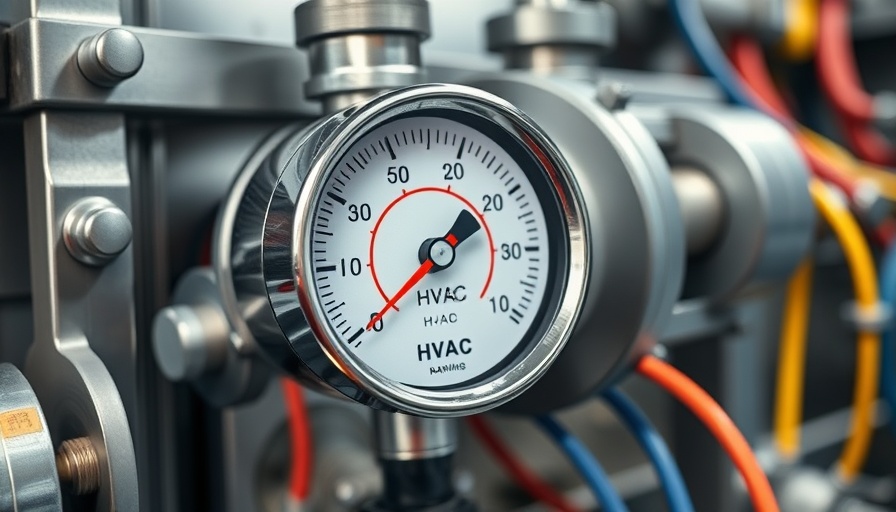
Close-up of HVAC manifold gauge in industrial setting

Mastering Troubleshooting: Avoiding Common HVAC Errors

When it comes to troubleshooting heating, ventilation, and air conditioning (HVAC) systems, even the most experienced technicians can make mistakes that lead to costly repairs and inefficient systems. With HVAC systems playing a crucial role in maintaining comfort and air quality in our homes, understanding and avoiding common troubleshooting errors is paramount. Let's dive into the key pitfalls to avoid and equip ourselves with knowledge to deliver efficient repairs.

Understanding the Core Issues

One common mistake is relying solely on pressure readings from just one side of the HVAC system. Technicians sometimes check only the low-side pressure, which can lead to erroneous conclusions about system performance. For accurate diagnostics, it’s critical to measure both the low and high-side pressures. Additionally, inspecting the condition of components like the evaporator coil is essential—an iced evaporator can mislead technicians into believing the system is simply low on charge.

Overlooking Essential Components

Another prevalent error happens when technicians fail to assess starting components when a compressor won’t start and keeps cycling on overload. A locked-rotor or faulty starting components, such as the start relay or capacitor, could be the issue. It's important to check these first before declaring the compressor as faulty, which not only saves the technician time but also conserves resources.

The Importance of Thorough Inspections

Taking the time to perform a thorough inspection can often mean the difference between a quick fix and a lengthy repair process. For instance, a misdiagnosed refrigerant leak could lead technicians to waste hours troubleshooting due to a malfunctioning leak detector. Before using these tools, always test their functionality to avoid unnecessary downtime.

Avoid Rushing Into Conclusions

In the fast-paced world of HVAC, it might be tempting to rush through diagnostics to address customer demands swiftly. However, being lazy can result in critical oversights. One technician’s haste led to an electrical short that burned a hole in a system's capillary tube. Therefore, always ensure that jumpers are securely attached—loose connections can cause more damage and lead to additional repairs.

Harmonizing HVAC Knowledge with Practice

A successful technician is one who blends technical knowledge with practical skills while conducting routine checks. Familiarity with common operational issues—like the effects of air filters on airflow—can greatly influence overall system performance. Filters that are too restrictive can reduce airflow and stress the system, leading to unforeseen failures down the line.

Conclusion: Upholding Standards in HVAC Practices

Staying informed about common troubleshooting mistakes can elevate a technician’s performance in the HVAC industry. By prioritizing thorough inspections, understanding system intricacies, and resisting the urge to rush, technicians can enhance their effectiveness and become invaluable resources to their companies and customers alike.

Equipped with this knowledge, you're positioned to tackle HVAC challenges confidently and efficiently. The next step is to continuously seek education and training to stay updated within the rapidly evolving HVAC landscape. Let’s elevate our standards and turn common mistakes into lessons of opportunity!

HVAC

0 Comments

Write A Comment

*
*
Please complete the captcha to submit your comment.
Related Posts All Posts
07.04.2026

Unlocking Success in HVAC: Beyond Technical Expertise

Update Understanding the Competitive Landscape of HVAC The HVAC industry has transformed significantly, and today's successful businesses require more than stellar technical knowledge. While expertise in heating, ventilation, and air conditioning systems remains vital, the blending of technical skills with strategic business insights is essential for standing out in a crowded marketplace. This evolution underscores a pivotal truth: customer satisfaction and operational efficiency can yield just as significant advantages as technical prowess. The Importance of Customer Experience Building a customer-centric business is paramount in the HVAC space. Exceptional service encourages repeat business and generates valuable referrals—essential tools for growth. Companies are finding that responding promptly to service calls and inquiries demonstrates reliability and professionalism, which can set a business apart from less attentive competitors. Furthermore, maintaining transparent pricing helps foster trust. When customers know what to expect, they are more likely to pursue loyalty over price: a critical factor in an era where many companies compete on cost alone. Investing in Team Development A well-trained team forms the backbone of any top-tier HVAC operation. Companies benefit from investing in technician certifications and ongoing education to equip employees with the latest industry knowledge. In this rapidly changing environment, skilled technicians who understand modern technologies like smart thermostats and energy-efficient systems are invaluable. Additionally, fostering a positive work culture leads to better service levels and increased employee retention. A motivated team is more likely to promote the business positively, further amplifying the company's reputation and reach. The Marketing Edge Effective marketing strategies cannot be overlooked. A professional website optimized for local search is critical; in fact, studies show that most homeowners will choose an HVAC contractor based on online presence. Online marketing campaigns that include social media engagement and promotions can attract new customers, especially during peak seasons. Developing a professional online reputation through positive reviews on platforms like Google and Yelp also enhances visibility and builds credibility with potential clients. Many successful HVAC businesses implement a systematic approach to marketing—running promotional ads and engaging content consistently rather than sporadically during slow months. This consistency can help smooth out business peaks and troughs. Operational Efficiency: The Key to Profitability Another cornerstone of HVAC success is operational efficiency. Streamlining processes saves time, enhances customer satisfaction, and drives down costs. Utilizing scheduling software to manage appointments and inventory systems ensures that jobs run smoothly without unexpected delays. Standardized processes for service calls and follow-ups can also uplift overall service quality and performance. A Long-Term Vision Ultimately, effective HVAC business owners think long-term. They create plans addressing market fluctuations, assess industry trends, and strive for continued improvement in all areas—from service offerings to customer care. The ability to pivot and adapt ensures that the business remains resilient even as technologies and consumer expectations shift. In conclusion, the competitive advantage in HVAC is not solely tied to technical expertise; it's a multifaceted approach that combines outstanding customer service, employee investment, layered marketing strategies, and strong operational foundations. By understanding these dynamics, HVAC businesses can thrive even in a competitive landscape.

07.03.2026

Discover the Benefits of Meier Supply's Newly Opened Pennsylvania Branch

Update Unpacking Meier Supply's New King of Prussia Location Meier Supply Co. Inc., a prominent name in the HVACR (Heating, Ventilation, Air Conditioning, and Refrigeration) distribution industry, has made headlines with the opening of a new branch in King of Prussia, Pennsylvania. This strategic move enhances the company's footprint in Southeastern Pennsylvania, providing a much-needed resource for local HVAC and refrigeration contractors. Strategically Positioned for Success Located in one of the largest business corridors in the region, the King of Prussia branch not only offers HVACR contractors easy access to essential products and services but also positions Meier Supply to better serve the greater Philadelphia market. As demand for energy-efficient solutions continues to skyrocket, contractors will have access to the latest technology, including ductless systems from industry leader Mitsubishi Electric. This access not only streamlines operations but also helps contractors stay relevant in a rapidly changing market. The Importance of Local Support and Expertise This new branch represents more than just a physical location; it embodies Meier Supply's commitment to providing local contractors with comprehensive support. With this opening, Meier Supply reinforces its role as a partner in the success of HVACR businesses by offering technical expertise, ongoing training opportunities, and actionable resources. Such offerings are invaluable for building strong client relationships in a highly competitive field. Connecting with the Community and Future Growth The opening ceremony drew attention not only for its business implications but also for community impact. Local stakeholders, contractors, and media representatives gathered, illustrating the excitement surrounding the new location. As Meier Supply expands its reach, it carries the opportunity to play a pivotal role not just in the HVACR landscape but within local communities by fostering growth in the workforce through training and educational programs. Looking Ahead: The Future of HVACR Distribution As energy efficiency becomes a growing focus in both residential and commercial sectors, Meier Supply is well-positioned to lead the charge in providing innovative solutions. This new King of Prussia location serves as a launchpad for future growth and could potentially lead to additional branches in underserved areas. The expansion aligns with current trends aiming at enhancing service delivery and responsiveness to customer needs. Eco-Friendly Solutions in HVACR The rise of energy-efficient comfort systems represents a worthwhile investment for contractors aiming to differentiate themselves in the market. Meier Supply’s focus on sustainable HVACR technologies will not only cater to consumer preferences towards 'green' solutions but also contribute to broader environmental goals by reducing energy consumption within the region. Conclusion: Embracing Opportunities in HVACR With the opening of its King of Prussia branch, Meier Supply Co. Inc. is not only expanding its business but is also investing in the future of the HVACR industry through local partnerships and commitment to innovation. For contractors operating in Pennsylvania, this new location is more than a store; it’s a resource for success in a competitive and evolving marketplace.

07.02.2026

Trump's Shift on Workforce Priorities: What Keith Sonderling Means for Workers

Update Shifting Gears at the Department of Labor In a surprising political twist, President Trump has appointed Keith Sonderling as the new Labor Secretary, indicating a bold shift in priorities regarding the American workforce. Sonderling, a former commissioner at the Equal Employment Opportunity Commission (EEOC), is expected to bring a fresh perspective on labor regulations amidst an evolving economic landscape. A New Approach to Workforce Policies Sonderling’s appointment comes at a time when many workers are grappling with the implications of remote work, changing job markets, and growing gig economies. His history with the EEOC suggests he may prioritize policies aimed at protecting employee rights while simultaneously advocating for flexibility in labor laws to accommodate modern work environments. This signals to all sectors that the administration aims to balance the scales between employer needs and worker rights. Impact on the Future of Employment Trends As we look to the future, Sonderling's approach might reshape how companies engage with their employees, especially as more Americans transition into freelance or gig work. His advocacy for innovation within labor laws could foster a more adaptable workforce, encouraging businesses to evolve their practices to suit the modern economy. This means workforce training and development might take center stage in policy discussions, linking directly to economic growth. Why This Matters to All of Us Understanding the implications of this new appointment is crucial—not just for career professionals but for anyone invested in the economy. The labor market is rapidly changing, and Sonderling’s strategies could influence everything from job security to benefit structures. It is imperative that all workers stay informed about how these changes can impact their rights and opportunities. Balancing Perspectives: A Divided Opinion While some celebrate this appointment as a victory for labor reform, critics fear it may push for deregulation at the expense of worker protections. This highlights a broader debate surrounding the efficacy of labor laws in adapting to contemporary economic challenges. Engaging in this conversation is essential for holding the administration accountable and pushing for a workforce that truly represents the needs of all its members. Conclusion: The Road Ahead Sonderling's positions and decisions will undoubtedly have far-reaching effects. As he steps into this pivotal role, it is vital for all sectors of the workforce to remain vigilant and engaged. The landscape of employment in the United States is evolving, and understanding the nuances of these changes will be key to thriving in the new economy.

Terms of Service

Privacy Policy

Core Modal Title

Sorry, no results found

You Might Find These Articles Interesting

T
Please Check Your Email
We Will Be Following Up Shortly
*
*
*