Add Row
Add Element
Guardian Home Network Shield and Logo
UPDATE
Add Element
Add Element
  • Home
  • Design & Curb Appeal
    • Painting
    • Landscaping & Outdoors
    • Windows & Doors
    • Lighting & Fixtures
  • Home Systems
    • Roofing
    • Plumbing
    • HVAC
    • Electrical
  • Remodel & Renovate
    • Design Ideas
    • Kitchen & Bath
    • Additions & Conversions
    • Whole Home
    • Flooring
  • Guides & Tools
    • Homeowner Checklists
    • Hiring a Pro
    • Cost Calculators
    • Warranty & Insurance
  • Fix & Maintain
    • Handyman Tips
    • Seasonal Checklists
    • Disaster Restoration
    • Maintenance Guides
  • Smart & Sustainable
    • Smart Home
    • Home Security
    • Solar & Energy Efficiency
    • Upgrades
  • News & Trends
    • Trade News
    • Regulations & Codes
    • Seasonal Trends
    • Product Reviews
November 14.2025
1 Minute Read

Don't Wait—Get Your Roof Inspection Houston Today!

When was the last time you truly looked at your roof—not just a quick glance, but a real inspection? In Houston’s ever-changing climate, overlooking your roof can turn small issues into major headaches overnight. Roof inspection Houston isn’t just another item on your seasonal checklist—it’s the crucial safeguard that a smart homeowner, property manager, or investor never skips. Today, we turn to Jimmy of Kainos Roofing & Exteriors, a respected authority on roofing in the Houston area, to demystify roof inspections and share why they’re a non-negotiable way to protect both your property and your peace of mind.

Why Thorough Roof Inspection in Houston Is Non-Negotiable
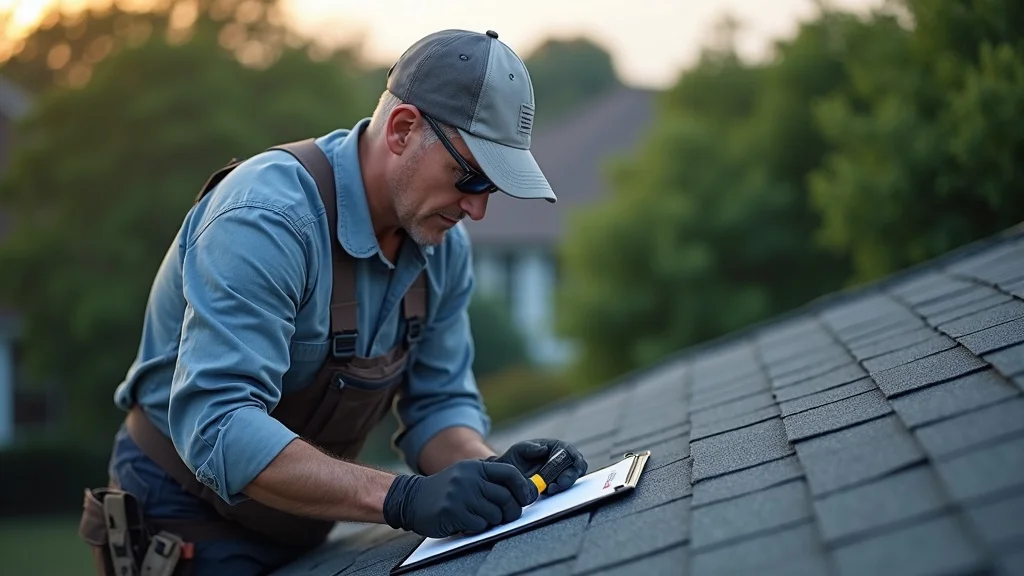
Roof inspection Houston specialist examining suburban home shingles with inspection tools under soft daylight

"A thorough roof inspection should take time, maybe 20 minutes at the low end, an hour you know, possibly up to an hour." — Jimmy, Kainos Roofing & Exteriors

According to Jimmy, many Houston homeowners mistakenly believe that a roof inspection is just a quick walk-around—a box to check off in a matter of minutes. The reality? True roof inspections are methodical and require time. There’s no rushing through a process where every overlooked detail can mean the difference between preventative maintenance and catastrophic repair costs. Jimmy’s years of experience leading Kainos Roofing & Exteriors taught him that a rushed inspection can’t unearth hidden leaks or structural vulnerabilities. Especially in Houston, where volatile weather can turn small roof issues into full-blown emergencies, the quality and duration of your inspection spells the difference between proactive protection and reactive spending.

For Houston residents, roof inspections are your first line of defense against the climate's surprises. "Homeowners need to be aware that something as minor as a corroded pipe jack, if left unchecked, can balloon into devastating interior damage and even hazardous mold," Jimmy emphasizes. When high winds, torrential rains, and sweltering heat are the norm, small cracks or broken seals quickly escalate. The expert’s perspective is that preventative roof care is exponentially less costly than emergency repairs—especially when you factor in the risks of interior mold and the potential to invalidate insurance coverage through neglect. The bottom line: In Houston, regular, professional roof inspections are non-negotiable for anyone serious about protecting their property’s value.

Debunking the Myth: Roof Inspections Are Not Quick Fixes

Jimmy highlights that depth matters in roof assessments. Modern roof materials and construction techniques mean that issues are rarely obvious to the untrained eye, and even experienced DIYers miss subtle warning signs. Consider the comprehensive checklist Kainos Roofing & Exteriors uses: every flashing, vent, penetration, and edge gets attention, with digital photo documentation at each step. Cutting corners may save an inspector time, but it exposes the homeowner to invisible risks that grow with every Houston storm season. "Every thorough inspection we perform uncovers at least one surprise—almost always something the owner never knew existed," Jimmy confirms.

The best roofers know that the inspection process sets the foundation for all future roof care decisions. Jimmy tells clients not to be fooled by companies offering “free five-minute check-ups”—thorough roof inspections require a detailed, synchronized approach that blends exterior and sometimes interior analysis. Expect your inspector to take their time, and don’t accept rushed walkthroughs. Your home and your wallet depend on it.

Houston Climate Challenges That Demand Regular Roof Inspection
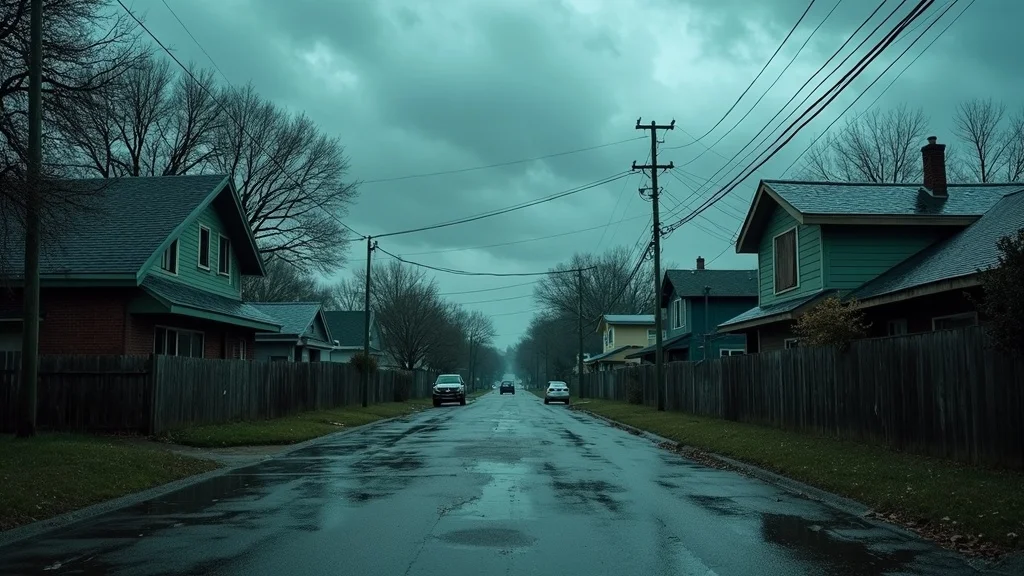
Weathered Houston home after storm showing wet roof surface and storm clouds - roof inspection Houston context

Anyone living in Houston knows the climate doesn’t play fair. From humidity to sudden hailstorms, severe thunderstorms to relentless sun, the city’s roofs must withstand more abuse than most American cities. According to Jimmy, Houston climactic conditions accelerate roof aging and amplify the consequences of neglect. A roof defect that remains benign in drier areas can become an entryway for leaks and interior damage in a single Houston downpour.

Jimmy frequently sees scenarios where a summer downpour reveals vulnerabilities that have been quietly festering since the last storm season. The expert’s perspective is that ignoring these early warning signs is like playing roulette with your most valuable asset. Proactive, scheduled roof inspections tailored to Houston’s conditions reduce your risk and empower you to act before the next weather event tests your home’s limits.

Early Detection Saves Homes: Real Stories from Houston Roof Inspections

"We caught a hole in a roof caused by squirrels or raccoons before interior damage occurred, preventing a costly disaster." — Jimmy, Kainos Roofing & Exteriors

Real-world experience underlines Jimmy’s advice. He recalls a recent inspection where a neighbor’s observation led to discovering rodent damage—an animal had gnawed through roofing hidden under tree cover. Though the owners hadn't noticed themselves, timely intervention meant professional repair before leaks caused interior mold or structural issues. According to Jimmy, early detection is the single most important action a homeowner can take to limit risk and cost.

These situations aren’t rare. Instead, they reflect a fundamental truth of roof care: “Most major roof repairs could have been minor if caught just a little sooner,” Jimmy says. What sets apart homeowners who face catastrophic damage from those who don’t is a commitment to regular, professional inspection by someone who understands Houston’s unique roof risks. It’s not enough to react; you must be ready to anticipate what’s lurking just out of sight.

Small Issues, Big Consequences: How Minor Roof Damage Escalates
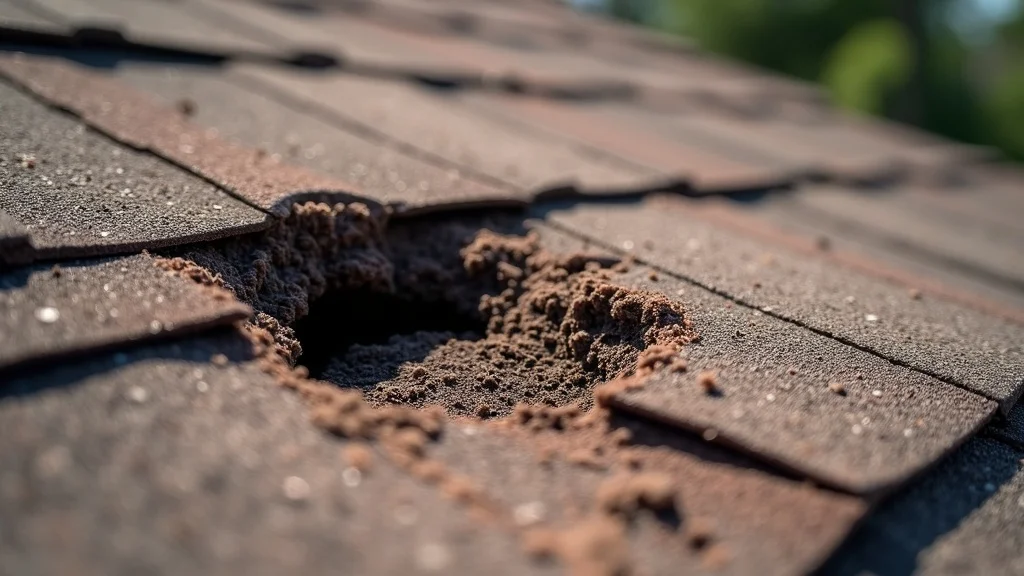
Photorealistic close-up of roof shingle with visible hole, rodent activity, Houston home - roof inspection Houston focus

Jimmy is candid: “A small problem like a corroded pipe jack or an unnoticed animal entry point can easily cascade out of control.” The result? What would have been a minor, low-cost roof repair becomes a multi-thousand dollar project involving drywall, insulation, and mold remediation. According to Jimmy, the most overlooked issues include improperly sealed flashings, hidden shingle damage, and clogged vents—problems that worsen exponentially in Houston’s climate.

The takeaway is simple: If you spot a missing shingle, unusual damp spot, or even just have a suspicion that “something’s not right,” call a professional immediately. The cost of a timely roof inspection Houston expert is nothing compared to the financial and emotional strain of fixing preventable interior damage or structural repairs. Every day you wait, the risk (and the bill) multiplies.

The Role of Community Vigilance in Protecting Neighborhood Roofs

Sometimes, your first clue isn't something you see yourself—it's a neighbor noticing something unusual or a community member posting about a local roof repair. Jimmy’s experience proves the value of community vigilance. In tight-knit Houston neighborhoods, the collective watchfulness of neighbors often catches early signs of roof distress, preventing minor issues from turning into neighborhood-wide headaches after big storms.

Jimmy encourages Houston homeowners to take a communal approach to roof inspection Houston and maintenance—if you see something, say something. That quick tip to a neighbor, or asking a contractor to glance at a questionable area while working nearby, could save thousands in collective home repair costs. It’s not just about one home—it’s about fortifying the entire block.

Comprehensive Roof Inspections: Why Attic Evaluation Is Critical

"They need to look at the decking, the insulation, the ventilation system. If you just look at the shingles, that's only half of the story." — Jimmy, Kainos Roofing & Exteriors

Jimmy insists that a roof inspection isn’t finished until the attic receives equal attention. "The attic is the other half of your roof," Jimmy says. Contractors must evaluate decking integrity, insulation density, and every aspect of the ventilation system. Skipping this step ignores the hidden risks that trigger premature roof failure, higher energy bills, and even serious mold or rot issues.

The expert’s perspective is that many “shingle-only” inspections fail homeowners by overlooking what’s happening underneath—and inside—their roof system. Houston’s heat and humidity create ideal conditions for attic-related damage, yet only the most thorough professionals go beyond the obvious. Homeowners should demand attic inspection as a standard part of any credible roof assessment in Houston.

Beyond Shingles: Attic, Ventilation, and Insulation Checks
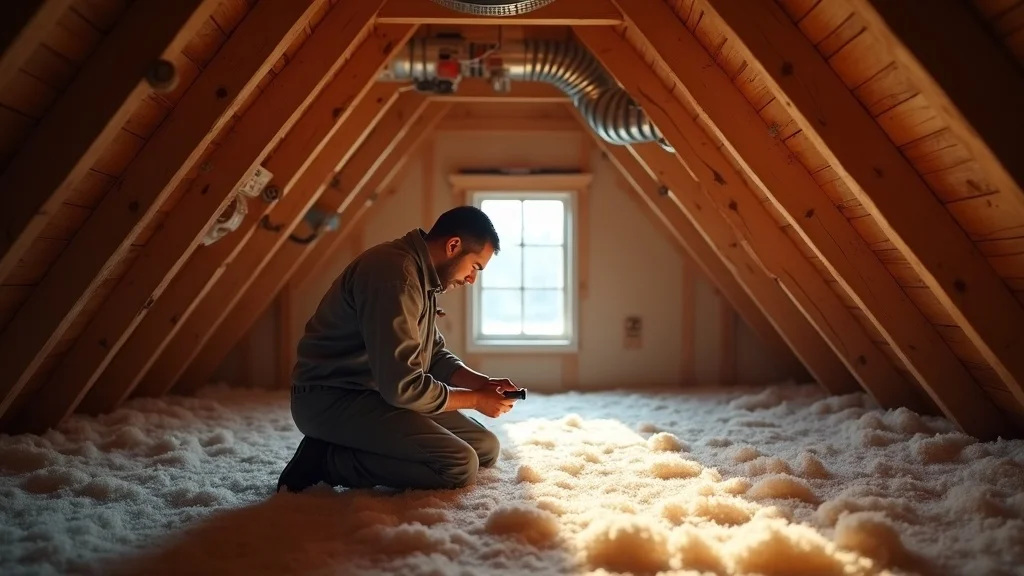
Houston attic roof inspection with professional checking insulation and ventilation ducts

Jimmy addresses the technical details: “Roof and attic ventilation systems are critical in Houston. Without routine checks, trapped moisture leads to warped wood, weakened decking, and even mold.” Insulation gaps, blocked soffit vents, and unnoticed condensation problems silently undermine your roof’s lifespan—and your energy efficiency—year after year.

Every reputable roof inspection Houston should come with an attic walkthrough, documented by high-resolution photos. Only then can you make a truly informed decision about repairs, replacement, or routine maintenance. Jimmy always urges his clients not to settle for less—insist on a complete, professionally documented analysis.

Communication and Transparency: Getting the Full Picture with Inspection Reports

According to Jimmy, great roofing companies aren't just good at repairs—they excel at communication. You should get a detailed report, clear photo evidence, and honest recommendations: be it a clean bill of health, minor maintenance, or a more significant intervention. Every client should walk away with the confidence that they understand the condition of their roof and all available options.

Jimmy believes that transparency is what builds trust and allows homeowners to act before minor issues escalate. The expert’s perspective: “The goal of every inspection isn’t just discovery—it’s empowering clients to make the best, most cost-effective choices for their situation.” Houston homeowners should expect nothing less from their contractor than open, thorough communication at every stage.

Proactive Roof Care Options for Houston Homes

Houston family reviewing roof inspection Houston report in sunlit living room

Houston homeowners have more options than ever for protecting their investment once inspection is complete. Maintenance, targeted repairs, total replacement, and rejuvenation treatments all play a role, depending on the roof’s age, condition, and the owner’s long-term plans. According to Jimmy, the best contractors don’t default to replacement—they lay out the full spectrum of choices, from a simple sealant touch-up to comprehensive shingle rejuvenation or complete system overhaul.

“We don’t just give you one answer,” Jimmy emphasizes. The process is about education: what needs immediate attention, what can wait, and how different interventions impact your total cost of ownership. Jimmy’s team at Kainos Roofing & Exteriors always presents honest data—so clients never feel pressured into unnecessary upgrades or emotionally driven choices.

Maintenance, Repairs, Replacement, and Rejuvenation Explained

Roof maintenance isn’t just reactive—annual cleanings, sealing penetrations, and fixing ventilation issues dramatically lower the need for major repairs. When minor repairs are called for, Jimmy’s experience is clear: fast action beats procrastination every time. Full roof replacement often makes the most financial sense only at the end of a roof’s life or after irreparable damage, while rejuvenation, such as specialized treatments for aging shingles, remains a smart, cost-saving alternative for some Houston properties.

Jimmy encourages every property owner to review all available options and focus on data-driven decision making. The goal is maximizing return on investment while ensuring your roof continues to protect you—through every Houston season.

  • Top 3 Benefits of Regular Roof Inspections in Houston:

    1. Early prevention of costly interior and structural damage

    2. Enhanced longevity and efficiency of the roofing system

    3. Peace of mind during Houston’s unpredictable weather

  • Key Components to Assess During a Roof Inspection:

    1. Shingles, flashings, and penetrations

    2. Decking, attic insulation, and ventilation

    3. Photo documentation and honest communication

  • Signs You Should Schedule a Roof Inspection Immediately:

    1. Visible shingle damage or missing materials

    2. Unexpected attic moisture or stains

    3. After any major Houston weather event

Summary: Protect Your Investment with Expert Roof Inspection Houston Services
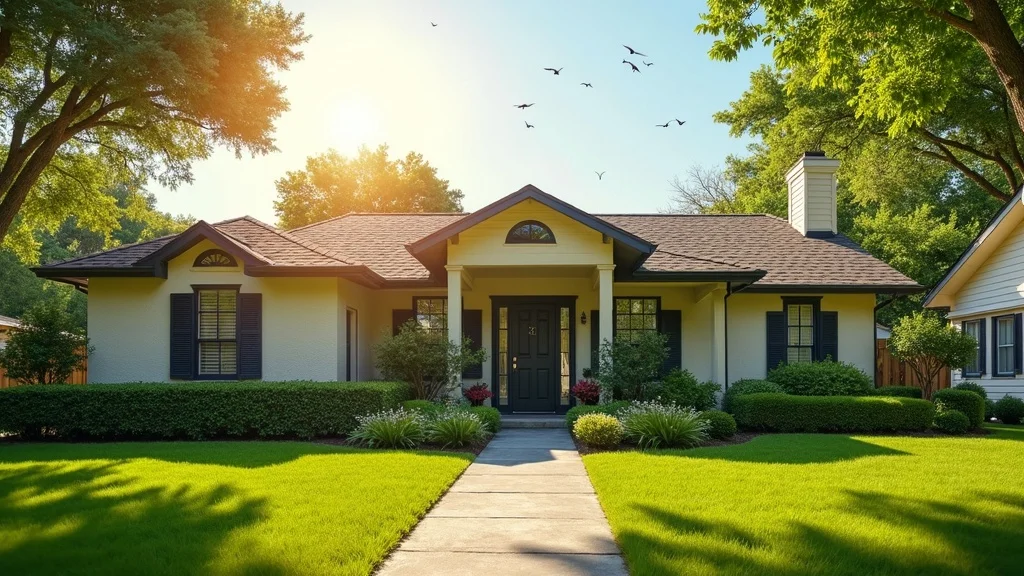
Sunlit pristine Houston home roof, lush lawn, and clear skies representing roof inspection Houston benefits

"Get honest data on your roof so you can make the best decision moving forward and protect your home." — Jimmy, Kainos Roofing & Exteriors

Jimmy’s years of Houston roofing expertise boil down to one actionable imperative: Don’t delay, don’t assume. Roof inspection Houston services, performed thoroughly and transparently, are your most reliable insurance policy against spiraling repair costs and lost property value. Prevention is possible only with honest, data-driven reporting of your roof’s true condition—starting at the shingles and reaching all the way into your attic.

Next Steps to Ensure Your Roof's Longevity and Home Safety

  • Schedule a detailed roof inspection with a certified Houston contractor

  • Ensure attic and roofing system are inspected together

  • Request detailed photo documentation and clear communication

  • Review maintenance or repair recommendations promptly

Take control of your home’s protection and value—schedule your expert roof inspection Houston today with a company committed to transparency and excellence. Don’t wait for a little problem to become a big one. Your roof—and peace of mind—depends on it.

Roofing

Write A Comment

*
*
Related Posts All Posts
12.07.2025

Class 3 vs Class 4 Shingles: Choosing the Best Option for Your Home

Update Class 3 vs. Class 4 Shingles: Making the Right Choice for Your Home As homeowners, safeguarding our properties from the elements is a top priority. In particular, roofs are our first line of defense against harsh weather. With hailstorms causing over $160 billion in damage in 2024 alone, choosing the right roofing shingles is essential. Two popular options are Class 3 and Class 4 shingles, each offering varying levels of impact resistance and protection against hail damage. Let's break down these options to help you make an informed choice. Understanding Impact Ratings: What They Mean for You The impact resistance of roofing shingles is rated by Underwriters Laboratories (UL), a globally recognized testing agency, using the UL 2218 standard. This standard simulates hail impacts by dropping steel balls of specified sizes from set heights onto the shingles. The results allow shingles to be classified from Class 1 (least durable) to Class 4 (most durable). In this scheme, Class 3 shingles withstand impacts from 1.75-inch hailstones, while Class 4 shingles hold up against 2-inch hailstones. This distinction is crucial when considering your roof's resilience to potential weather disasters. The Benefits of Class 3 Shingles Class 3 shingles stand out for their combination of affordability and moderate impact resistance. Here are their benefits: Cost-Effective: Class 3 shingles are often more affordable than Class 4 options, making them a suitable choice for budget-conscious homeowners looking for adequate protection against smaller or less frequent hail. Moderate Protection: Designed to absorb impact from hailstones as large as 1.75 inches, these shingles provide decent durability without breaking the bank. Versatile Designs: Many manufacturers, like GAF, offer a variety of aesthetic choices with Class 3 shingles, giving homeowners options that suit their style while maintaining solid performance. Why Choose Class 4 Shingles for Maximum Protection? If you live in an area prone to severe storms, Class 4 shingles might be the right investment for your home. Here's why: Superior Impact Resistance: Class 4 shingles can withstand the greater force of hail up to 2 inches, making them ideal for regions where large hail is common. This distinction can significantly reduce potential damage and repair costs. Insurance Benefits: Many insurance companies offer discounts to policyholders who opt for Class 4 shingles, leading to long-term savings that can outweigh the higher initial costs. Increased Durability: Generally, these shingles not only resist impacts but are also constructed to endure high winds and heavy rain, further extending their lifespan and reducing maintenance needs. Weighing Your Options: Choosing the Right Class for Your Home The decision between Class 3 and Class 4 shingles hinges on your specific needs and local climate. If your home is in an area with infrequent hail or mild weather, Class 3 shingles provide reliable protection at an appealing price point. On the other hand, homeowners situated in severe weather zones should consider the added benefits of Class 4 shingles. Actionable Insights: Steps to Take Next When deciding on roofing materials, it's crucial to consult with local experts. Professional roofers can conduct thorough assessments of your property's specific needs and provide tailored recommendations. Additionally, consider your long-term maintenance plans and potential insurance savings when making your selection. Keeping Your Home Protected: A Call to Action Don’t leave your home exposed to the elements! Contact Kainos Roofing & Exteriors at 713.487.5255 to find out how to protect your investment with quality roofing solutions designed for longevity and performance. Embrace the peace of mind that comes with a well-crafted roof.

12.05.2025

Why You Should Consider Torch Down Roofing for Your Flat Roof Needs

Update Understanding Torch Down Roofing: A Smart Choice for Homeowners If you’re a homeowner, property manager, or multifamily dwelling owner, understanding torch down roofing is essential. This unique roofing method may offer the durability and reliability needed for your flat or low-slope roofs. Torch down roofing uses a handheld propane torch to heat and bond sheets of modified bitumen roofing material, creating a watertight seal that’s particularly beneficial in extreme weather conditions. Key Benefits of Torch Down Roofing Choosing torch down roofing comes with several significant advantages: 1. Exceptional Durability Modified bitumen roofing, the primary material used in torch down roofing, possesses remarkable flexibility thanks to the inclusion of polymers like SBS (Styrene-Butadiene-Styrene) and APP (Atactic Polypropylene). This flexibility allows it to withstand heavy precipitation, snow, and temperature shifts without cracking. Thus, whether you're battling extreme heat or dealing with icy winters, torch down roofing can handle it all. 2. Superior Water Resistance One of the standout features of torch down roofs is their water resistance. During installation, the heating process bonds the membranes together, creating a seamless barrier against water infiltration. This feature is especially vital in flat and low-slope roofs where ponding water can lead to leaks. With multiple layers providing redundancy, torch down roofing systems ensure that even if one layer suffers damage, the others continue to offer protection. 3. Energy Efficiency Energy efficiency is another critical benefit of torch down roofing. The granulated cap sheet reflects UV rays, reducing heat absorption and helping to keep your building cooler. This can result in lower utility bills, particularly during hot summer months. Additionally, the insulation layer contributes to regulating temperature, making your home more comfortable year-round. The Installation Process Installing torch down roofing requires a specialized skill set due to the use of an open flame. Following careful preparation, including cleaning and drying the surface, professionals lay down a vapor barrier and insulation before applying the roofing layers. The heating process involves rolling out the modified bitumen and using the torch to bond each layer securely. This method not only ensures a watertight seal but also highlights the importance of using trained professionals for installation. Costs and Longevity The cost for torch down roofing typically ranges from $4 to $10 per square foot depending on the complexity and layering of the system. Despite being a more significant upfront investment than alternatives like roll roofing, the lifespan of a torch down roof—typically 15 to 30 years—along with its low maintenance requirements, makes it a cost-effective choice in the long run. Torch Down vs. Other Roofing Options When considering roofing options, many property owners compare torch down roofing to traditional roll roofing or built-up systems. While roll roofing may be cheaper initially, it lacks the durability and longevity of torch down roofing. The initial higher cost of torch down roofing often leads to fewer repairs and a better return on investment over its lifespan. Maintenance Tips for Torch Down Roofing Although torch down roofs are known for their low-maintenance nature, regular inspections can help prevent issues. Here are some proactive maintenance tips: Annual Inspections: Look for signs of wear, such as cracks or loose seams. Debris Clearance: Ensure leaves, branches, and dirt are regularly removed to prevent water pooling. Seal Penetrations: Regularly check and reseal areas around chimneys and vents to avoid leaks. The Perfect Fit for Your Property Torch down roofing is ideal for homes and buildings with flat roofs in areas facing severe weather conditions, making it a smart investment for enduring protection. If you’re considering upgrading your roofing system, contacting certified professionals is paramount, ensuring that your torch down roofing is installed correctly and safely. For expert help with your roofing needs, reach out to Kainos Roofing & Exteriors at 713.487.5255 for careful and professional service that will keep your home safe and secure.

12.05.2025

Unlocking the Best Option: Asphalt Shingle vs. Metal Roof for Washington Homes

Update Asphalt Shingle vs. Metal Roof: The Best Choice for Washington Homes Choosing the right roofing material is a critical decision for homeowners in Washington state. With both asphalt shingles and metal roofs available, understanding their advantages and drawbacks can help ensure your home is protected against the region's extreme weather conditions. Whether you favor aesthetics, cost-effectiveness, or longevity, this article will guide you through the essential points to consider when picking the right roof for your home. Cost Considerations: Initial and Long-Term Upfront Costs: A Deciding Factor In the Seattle-Bellevue area, upfront cost is often a major point of consideration for homeowners. Asphalt shingles generally remain the more affordable option at around $1.50 to $5.50 per square foot, making them accessible for budget-conscious projects. On the other hand, metal roofing typically ranges from $5.00 to $14.00 per square foot, significantly raising initial investment costs due to material and labor expenses. Homeowners must evaluate whether immediate savings or long-term investments better align with their financial strategy. Long-Term Value: It Pays to Look Ahead When it comes to lifespan, the durations of these two materials cannot be neglected. Asphalt shingles usually last about 15 to 30 years, requiring repairs or replacements due to their vulnerability to adverse weather conditions. In stark contrast, metal roofs can effortlessly survive up to 50 years or more, representing a more durable choice that ultimately proves cost-effective over time. This extended lifespan often results in fewer headaches for homeowners contemplating their replacement cycles. Performance Against Washington's Weather Rain, Moss, and Maintenance Responsibilities Washington's climate presents unique challenges, especially in terms of moisture retention. Asphalt shingles can adequately deflect rainwater if installed properly, yet they are susceptible to algae and moss growth, leading to potential long-term damage and maintenance burdens. Conversely, metal roofs are designed to shed water, limiting moisture accumulation and offering resistance against organisms that can damage the material. With regular maintenance, homeowners can prolong the life of both roof types, yet metal roofs generally demand less frequent attention. Wind and Other Weather Factors Wind resistance is a critical feature given Washington's gusty conditions. While architectural asphalt shingles can endure moderate winds when installed correctly, they may fail if there are weaknesses in the seal. Metal roofs, particularly those with concealed fasteners, provide superior resistance to harsh winds and severe weather, making them an appealing option for homeowners living in areas prone to storms. Energy Efficiency and Environmental Considerations Savings on Energy Bills Energy efficiency is another compelling factor in roofing material selection. Metal roofs, especially those with cool metal finishes, can reflect solar heat more effectively, thereby reducing indoor cooling demands. The U.S. Department of Energy highlights that such roofs can lower energy consumption by 10-15%. On the contrary, asphalt shingles absorb heat, leading to heightened energy costs during warmer months. This reduction in energy bills not only contributes to savings but also aligns with environmentally conscious practices. Environmental Impact and Recycling As the world becomes more aware of its environmental footprint, choosing eco-friendly materials is paramount. Metal roofing boasts a significant advantage in this arena as it is composed of recyclable materials. Alternatively, asphalt shingles contribute to landfill volumes when they are discarded—approximately 11 million tons of asphalt shingle waste is generated annually in the United States. Homeowners who prioritize sustainability may find metal to be the favorable option. Final Decision: Which Roof Type Best Suits You? Ultimately, your choice will depend on various personal priorities. If you want to minimize your immediate expenditures, asphalt shingles may be suitable. However, if you envision living in your home for decades and desire a roof that withstands the test of time with easy maintenance, metal might be your best bet. Individuals living in high-wind areas or those seeking to enhance energy efficiency would also benefit from considering metal roofing options. For personalized guidance tailored to your unique needs, consider reaching out to Kainos Roofing & Exteriors at 713.487.5255. Their expertise can help ensure you choose the perfect roofing material for your Washington home.

Terms of Service

Privacy Policy

Core Modal Title

Sorry, no results found

You Might Find These Articles Interesting

T
Please Check Your Email
We Will Be Following Up Shortly
*
*
*