Guardian Home Network Shield and Logo
UPDATE
  • New Home Ideas
  • Play Around
  • Home
  • Design & Curb Appeal
    • Painting
    • Landscaping & Outdoors
    • Windows & Doors
    • Lighting & Fixtures
  • Home Systems
    • Roofing
    • Plumbing
    • HVAC
    • Electrical
  • Remodel & Renovate
    • Design Ideas
    • Kitchen & Bath
    • Additions & Conversions
    • Whole Home
    • Flooring
  • Guides & Tools
    • Homeowner Checklists
    • Hiring a Pro
    • Cost Calculators
    • Warranty & Insurance
  • Fix & Maintain
    • Handyman Tips
    • Seasonal Checklists
    • Disaster Restoration
    • Maintenance Guides
  • Smart & Sustainable
    • Smart Home
    • Home Security
    • Solar & Energy Efficiency
    • Upgrades
  • News & Trends
    • Trade News
    • Regulations & Codes
    • Seasonal Trends
    • Product Reviews
February 03.2025
2 Minutes Read

Embracing Minimalism: Living Large in a Tiny Apartment in South London

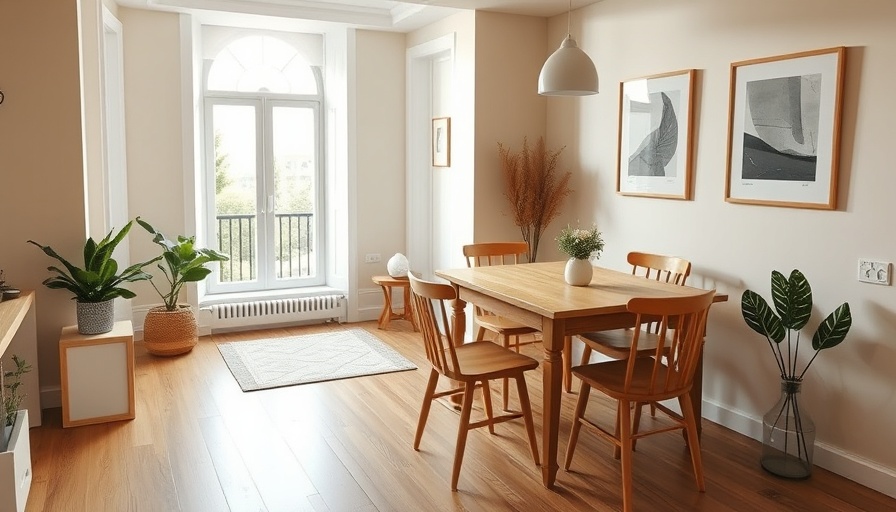
Cozy dining area in a small apartment with wooden table and natural light.

Living Large in a Cozy Corner

Finding a serene space in South London can feel overwhelming. Yet, there is a certain charm in discovering how small apartments can be transformed into delightful homes that feel much larger than their square footage might imply. The tiny apartment nestled in Camberwell, which spans just 586 square feet, challenges the notion of cramped living by showcasing the beauty of minimalist design.

Embracing Minimalism: A Lifestyle Choice

Today's urban inhabitants are increasingly leaning towards minimalism, not only for aesthetics but also for practicality. This compact flat is an embodiment of the "less is more" philosophy. With an eat-in kitchen and a cozy reception area welcoming residents, every inch is maximized, turning a small space into a comprehensive living experience.

Customized Solutions: Smart Storage Ideas

Small spaces often come with the challenge of organization. This apartment makes clever use of built-in wardrobe closets and custom storage to keep clutter at bay. With the right planning, even the smallest homes can be tidy and stylish. Homeowners and renters alike can take inspiration from these designs to create their unique spaces that feel expansive, even if they aren’t.

A Warmth of Design: The Colors that Connect

The choice of paint color plays an essential role in how a space feels. The entire home in Camberwell is painted in a subtle hue called Slipper Satin by Farrow & Ball, enhancing the feeling of warmth and openness. Soft colors can reflect light and create an inviting ambiance, making a compact living area feel like a calm retreat.

Tiny Yet Inviting: Gathering Spaces

Apartment living doesn't mean sacrificing the joy of hosting. The small dining table in this home can accommodate six people, proving that intimacy can thrive in smaller quarters. This aspect encourages social gatherings and connections among friends and family, turning what could be a disadvantage into a true treasure.

Natural Light: A Vital Design Element

Good design finds a way to bring the outside in. This apartment features a large bay window, flooding the living space with natural light. Sunlight can uplift moods, and thus ensuring ample sunlight is critical in any compact living space. Urban dwellers should consider window placement and how it affects the overall feel of their home.

The Legacy of Small Space Living

While the apartment might be small, it symbolizes something much bigger: a shift towards appreciating what we have instead of longing for more. In a city where space comes at a premium, living well in tiny homes is rapidly becoming a lifestyle choice filled with personality and charm.

Whether you're living in a tiny apartment or planning to embrace minimalism, remember that beauty can come in small packages, and creativity knows no bounds.

Whole Home

0 Comments

Write A Comment

*
*
Please complete the captcha to submit your comment.
Related Posts All Posts
05.20.2026

Exploring the Historic Brooklyn Vibe of Arts & Sciences Office Design

Update The Intersection of History and Modern Design When you step into the newly redesigned office of the production company Arts & Sciences in Cobble Hill, Brooklyn, you are greeted by a fascinating fusion of historic and contemporary elements. Designed by renowned architect Elizabeth Roberts, the space has been transformed from a standard office into a creative sanctuary that reflects the vibrant character of the neighborhood. A Cozy Workspace Redefined Previously outfitted with dull acoustic ceilings and vinyl flooring, the office was hardly a beacon of inspiration. The renovation not only addressed these uninviting features but also introduced a series of new design elements that encapsulate the essence of a “historic Brooklyn meets contemporary creative” vibe. This creative workspace embodies the idea that an office can be both functional and inviting, breaking away from the traditional cubicle structure. Bringing in the Charm Originally built in 1855, the building holds historical significance, having functioned as a barbershop—not just another brick structure in the neighborhood. Roberts embraced this history, highlighting the charm of the original storefront and incorporating it into the modern design. The combination of classic elements with innovative decor—including a disco ball that reflects the fun spirit of the clients—creates a unique atmosphere that delights visitors and employees alike. Furniture Integration and Aesthetic Balance The furniture selected for the office is a thoughtful mix of vintage and modern pieces. For instance, visitors can spot a vintage Wittmann sofa alongside contemporary Hay chairs, reflecting a blend of styles that maintains a cohesive look throughout the office. This curated approach not only optimizes the space but emphasizes the creativity that defines the company’s work ethos. Lessons from Cobble Hill Design Trends Similar to other design projects in Cobble Hill, such as those by Ben Herzog, the emphasis on vibrant colors, unique decor, and vintage touches resonates throughout the area. These renovations often prioritize personality and warmth over stark minimalism, making homes and offices not only livable but also expressive of their owners’ identities. For prospective homeowners or business owners, embracing such a design philosophy can foster a stronger emotional connection to their spaces. A Look to the Future of Workspace Design As we think about the role of office spaces in our lives, the design of the Arts & Sciences office suggests a pivotal shift towards making workplaces more engaging and creatively stimulating. In a world where remote work is increasingly common, the importance of creating inviting, functional, and creative spaces becomes even clearer. It stands to reason that businesses willing to invest in thoughtful design will reap benefits in employee satisfaction and productivity. Ultimately, the Arts & Sciences office exemplifies a larger trend that merges historical context with modern needs, offering valuable insights for anyone looking to revamp their own space creatively.

05.19.2026

Discover How Modern Design Transforms Colonial Homes in D.C.

Update How Modern Design Transforms Colonial Homes Colonial homes are cherished for their rich history and architectural elegance. But as times change, homeowners increasingly desire the comforts of modernity. The recent renovation of a brick Colonial house in Washington D.C. exemplifies how thoughtful design can bring together the charm of a classic structure with fresh aesthetic upgrades. This story illustrates a beautiful transition that respects the original architecture while infusing it with contemporary vibrancy. Preserving Original Features: The Heartbeat of Colonial Homes As we delve into modernization, it's vital to remember the importance of preserving original features that define Colonial architecture. This Washington D.C. house renovation focused on maintaining signature elements such as wooden floors, original moldings, and classic fireplaces. These features retain the timeless appeal of the home, providing warmth and character that modern materials alone could never replicate. It’s a reminder that while we yearn for newness, history’s charm should be honored. Balancing Between Old Charm and New Comforts When undertaking renovations in a Colonial home, the task lies in striking a balance between keeping the traditional vibe and introducing modern conveniences. The renovation highlighted methods of opening up floor plans which make spaces feel larger and more welcoming. This shift is crucial as modern living trends lean towards open layouts, encouraging interaction and relaxation. This way, a home can still feel cozy while accommodating today’s lifestyle demands. Energy Efficiency Meets Historical Integrity Older Colonial homes often lack energy efficiency, which is where smart renovations come into play. With upgrades such as double-pane windows and improved insulation, homeowners can enjoy the benefits of energy-saving technology without displacing the historical essence of their homes. The integration of energy-efficient systems aligns perfectly with the modern homeowner's desire for sustainability while ensuring that the home remains true to its roots. Modernizing Kitchens and Bathrooms: Where Functionality Reigns The kitchen and bathroom often serve as central gathering places in any home. For the D.C. renovation, the kitchen features a layout that promotes functionality while respecting the home's Colonial style. Shaker cabinets, quartz counters, and antique brass fixtures were successfully blended to maintain a period-appropriate aesthetic but with modern utility. Thoughtful renovations in these spaces highlight that practicality doesn't have to come at the cost of historic charm. Call to Action: Take Inspiration for Your Own Project As you consider renovations, remember that combining modern design with historical elements is not just possible—it's encouraged! Embrace the journey of adding modernity to homes rooted in history. Explore innovative designs that resonate with your lifestyle while paying homage to architectural traditions. Every home has a story; let yours be a blend of the old and the new!

05.17.2026

Unveiling the Magic of Flowers as Art at Kettle's Yard Exhibition

Update A Blossoming Celebration at Kettle's Yard Have you ever wondered how flowers can be much more than just pretty plants? At Kettle's Yard in Cambridge, an exciting new exhibition—Handpicked: Painting Flowers from 1900 to Today—shows us how much flowers can tell us about feelings, life, and art. Since opening on April 25, 2026, this exhibition is capturing the hearts of visitors with over 40 artists showcasing their vibrant interpretations of flowers. Discover the Artistic Journey of Flowers The exhibition includes stunning works by artists such as Henri Rousseau, Vanessa Bell, and contemporary talents like Jennifer Packer and Chris Ofili. Each painting is carefully arranged next to fresh flower displays inside the Kettle's Yard house, creating a beautiful connection between nature and art. When Jim and Helen Ede first opened Kettle's Yard in 1957, they made sure flowers were a big part of the experience. The Edes knew that combining art with the beauty of flowers brought the space alive! Why Are Flower Paintings So Special? Looking at flower paintings can make us feel all sorts of emotions. For example, an artwork by Robert McEwen called Tulip isn’t just a painting; it's a reminder of love and beauty. Flowers often symbolize deep meanings—joy, sadness, or even loss. Take Celia Paul’s painting, Delphinium, February 14th; it might be a Valentine’s Day painting, but it subtly expresses feelings of longing and tears. These paintings reveal the real stories behind flowers beyond their beauty. Hands-On Experience: Painting Your Own Flowers Want to try your hand at it? Kettle's Yard offers various events where you can paint flowers just like the artists featured in the exhibition! On June 6th and June 20th, visitors are invited to join sessions called Pause and Paint, where you can pick up a brush and create your own floral masterpiece. No experience is needed—just bring your curiosity! Supporting Art and Culture Another great part of this exhibition is its “Pay What You Wish” entry fee. This system lets everyone contribute what feels comfortable for them, which helps keep Kettle’s Yard flourishing as a cultural hub. Every little bit helps in supporting new art commissions, community events, and school projects. When you visit, you can appreciate art while also supporting the local community! Visit Kettle's Yard Today! If you love art and flowers, this exhibition is a must-see! It’s on now until September 6, 2026, so gather your friends or family and head over to Kettle's Yard to soak in the beauty of flowers through the eyes of many talented artists. You will be amazed at how something as simple as a flower can spark profound emotions and creativity! This is your chance to see art that celebrates life and beauty in a fun and engaging way. So, when are you going to visit Kettle's Yard?

Terms of Service

Privacy Policy

Core Modal Title

Sorry, no results found

You Might Find These Articles Interesting

T
Please Check Your Email
We Will Be Following Up Shortly
*
*
*