Add Row
Add Element
Guardian Home Network Shield and Logo
UPDATE
Add Element
Add Element
  • New Home Ideas
  • Play Around
  • Home
  • Design & Curb Appeal
    • Painting
    • Landscaping & Outdoors
    • Windows & Doors
    • Lighting & Fixtures
  • Home Systems
    • Roofing
    • Plumbing
    • HVAC
    • Electrical
  • Remodel & Renovate
    • Design Ideas
    • Kitchen & Bath
    • Additions & Conversions
    • Whole Home
    • Flooring
  • Guides & Tools
    • Homeowner Checklists
    • Hiring a Pro
    • Cost Calculators
    • Warranty & Insurance
  • Fix & Maintain
    • Handyman Tips
    • Seasonal Checklists
    • Disaster Restoration
    • Maintenance Guides
  • Smart & Sustainable
    • Smart Home
    • Home Security
    • Solar & Energy Efficiency
    • Upgrades
  • News & Trends
    • Trade News
    • Regulations & Codes
    • Seasonal Trends
    • Product Reviews
March 15.2025
2 Minutes Read

Experience the Unique Charm of Le Moulin Lodgings in Provence

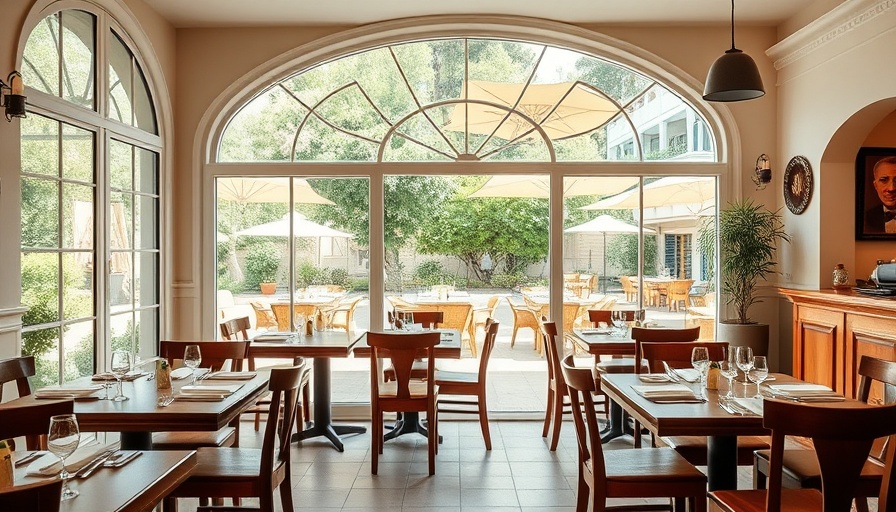
Charming dining area at Le Moulin Provence Hotel with a scenic view.

Discover the Charm of Le Moulin: A Dreamy Getaway in Provence

Sitting in the quaint village of Lourmarin, France, Le Moulin is more than just a hotel; it’s a transformation of an old mill into a beautiful retreat designed by skilled architects Marine Delaloy and Paula Alvarez de Toleda from Jaune firm. This enchanting space has been developed with a sensitive touch, keeping the authenticity of Provence alive while offering modern comforts that entice both visitors and locals.

What Makes Le Moulin Distinctive?

This unique accommodation features delightful elements like plaster walls and sisal floors adorned with bursts of Provençal ochre, creating a warm and inviting atmosphere. With various rooms filled with books by iconic authors that have penned tales of Provence, guests feel a direct connection to the region’s rich literary heritage.

A Vacation Like No Other: Activities and Local Flavor

Guests have the opportunity to immerse themselves in quintessential French experiences at Le Moulin. From outdoor films to biking tours, the hotel invites participation in local culture, ensuring that every day feels like an adventure. Activities include evening films under the stars and leisurely games of pétanque, a traditional French sport that encourages social interaction.

The Architectural Magic Behind Le Moulin

The architects have intentionally designed Le Moulin to eschew the trappings of nostalgia in favor of a style that invites guests to engage with the surrounding landscape. The aesthetics center around simplicity and comfort, with spaces designed to blend rustic charm with modern amenities. The restaurant, Le Restaurant du Moulin, features a stunning arched ceiling and woven rugs, striking a perfect balance between elegance and accessibility.

Why Design Matters for Guest Experience

The meticulous attention given to both design and functionality is what sets Le Moulin apart from traditional hotels. The objective was to ensure that each guest room feels more like a cozy holiday house than a mere hotel room. Features such as built-in niches and shuttered French windows enhance the intimate ambiance, allowing every visitor to feel at home.

Conclusion: Experience Provence Like Never Before

Le Moulin serves as a beautiful gateway into the heart of Provence, making it an appealing choice for those looking to relax in style while enjoying the local culture. For travelers seeking a unique balance of modern comfort and traditional charm, Le Moulin is the perfect destination. With a focus on both community and comfort, make your plans to visit this remarkable spot, and lose yourself in the sun-soaked landscapes and rich heritage that make Provence truly special.

Whole Home

0 Comments

Write A Comment

*
*
Please complete the captcha to submit your comment.
Related Posts All Posts
04.03.2026

Chef's Kitchen Design: Essential Tips for Functional Cooking Spaces

Update The Art of Designing a Chef's Kitchen Imagine entering a kitchen that captures both the heart of a home and the precision of a restaurant—this fusion is what defines the modern chef’s kitchen. With increased focus on culinary experiences at home, the design principles are evolving to meet the demands of both functionality and style. In a recent project, designers Andrea Conti and Isabel Cert from Barcelona have reimagined a suburban kitchen into a professional-grade workspace, highlighting how thoughtful design enhances everyday cooking. Transforming Spaces with Real Needs In their latest kitchen renovation, Conti and Cert catered to the unique requirements of a family of five, especially those of a professional chef. Drawing inspiration from industrial craftsmanship and personalizing the space, they incorporated features that reflect both creativity and practicality. For instance, they installed 1-cm thick stainless steel countertops that can withstand the rigors of professional cooking while providing a sleek look. This attention to durable materials resonates strongly with what experts recommend in kitchen designs—functionality trumps trends. Thoughtful Storage: The Key to Efficiency Storage solutions are at the heart of any successful kitchen remodel, especially for professional cooks who thrive in organized spaces. The recent kitchen featured sliding cabinets that can showcase or conceal cooking tools and ingredients. This design embraces the principles discussed in the Ultimate Guide to a Chef’s Kitchen Design, which emphasizes the necessity of strategic storage versus high-maintenance aesthetics. By incorporating open shelves only for frequently used items, like spices, and utilizing smart cabinetry for larger items, the space avoids the clutter that often plagues kitchens. Connect Functionality with Aesthetics The balance between function and form is crucial. Chefs prioritize practical elements that endure stress, such as heat and splatters, over transient trends. Continuous workflows in a kitchen enhance cooking efficiency. According to a guide published by RTA Cabinet Blog, a well-planned layout involving a clear workflow triangle between the sink, stove, and refrigerator can dramatically improve cooking experiences and minimize unnecessary chaos. Future Trends: A Shift towards Meaningful Design As homeowners increasingly seek personalized aesthetic choices, industries are witnessing a shift in priorities. From the gleaming all-white kitchens that once dominated to the resurgence of natural materials and textured tones, kitchens are evolving alongside culinary trends. Research indicates that a majority of homeowners are moving towards cabinetry and countertops that not only resonate warmth but also hide day-to-day wear and tear—an insight echoed by professional chefs who demand practical surfaces. Kitchen Innovations: A Blend of Old and New Innovative materials that withstand the test of time are emerging as essential components. In the transformative kitchen by Conti and Cert, a unique shelving unit for wine and produce was introduced, optimizing space while maintaining a clean and modern aesthetic. Further emphasizing functionality, the minimalist lighting enhances the atmosphere without overcrowding an already busy environment. Practical Integration: Insights for Your Own Kitchen Designers recommend specific choices homeowners can apply when updating their kitchens. For instance, investing in high-quality materials like quartz and stainless steel ensures longevity and ease of maintenance. Furthermore, integrating ample counter space allows for preparation and cooking without feeling cramped, an essential factor for any home cook—amplifying what is highlighted in the rankings of kitchen renovations. In conclusion, designing a kitchen that accommodates both the dreams of a chef and the needs of a family doesn't just improve functionality—it enriches everyday life. As you contemplate your kitchen upgrade, consider how thoughtful design can elevate your culinary experience.

04.02.2026

Illuminate Your Space with Stunning French Industrial Wall Lights

Update Exploring the Charm of French Industrial Wall Lights French industrial wall lights have captivated design enthusiasts since the 1920s, with their unique blend of functionality and artistry. Renowned figures like Charlotte Perriand and Bernard-Albin Gras have left an indelible mark on this lighting style, focusing on elements such as scale, rotation, weight, and balance. These iconic designs not only brighten a space but also tell a story of innovation and aesthetic prowess. Top Picks for Elegant Wall Lighting From the sleek W Two-Arm High Wall Lamp by Wo & Wé, which begins at €625, to the timeless Lamp Gras N 214 designed by Gras himself for $855, there are options for varying tastes and budgets. Many of these fixtures are crafted in France, ensuring authenticity and quality. Notably, the Potence Lamp by Jean Prouvé, now produced by Vitra, commands a premium price of $2,405, reflecting its historical significance. For those seeking something more affordable, the Jielde Signal Two-Arm Wall Sconce offers a stylish option at $512, while the Metal Appliqué with Adjustable Arm is a steal at €65.08 from La Redoute. With many options available, these lights can enhance any room's character, adding a touch of French elegance without overwhelming the space. A Blend of Form and Function The appeal of French industrial lights lies in their balance of form and function. They not only serve as light sources but also as artistic fixtures that complement the decor. This makes them an ideal choice for various settings, from cozy living rooms to chic dining areas. Each piece, like the Serge Mouille Two-Arm Wall Sconce priced around $5,995, exemplifies a commitment to quality craftsmanship and distinctive design. Why Choose French Industrial Lights? Choosing French industrial wall lights is more than just a design choice; it's an investment in quality and style. They provide lasting elegance, adapting seamlessly to both modern and traditional environments. With their bold structures and detailed designs, these lights can act as focal points or subtle enhancers in your home. Frequently Asked Questions What is the price range for French industrial wall lights?Prices can vary significantly based on the designer and materials used, ranging from as low as $65 to well over $5,000 for iconic pieces. Are these lights suitable for any room?Absolutely! French industrial wall lights can elevate the aesthetic of various spaces, including living rooms, kitchens, and even bedrooms. How can I integrate these lights into my decor?Consider using them in pairs to flank mirrors or artwork, or place them strategically along hallways to illuminate darker areas while adding charm. French industrial wall lights offer not only illumination but also an exquisite aesthetic that can redefine your living space. With so many options available, you’re likely to find the perfect piece that complements your style.

04.01.2026

Uncover the Benefits of Perforated Brick in Modern Design Trends

Update The Rise of Perforated Brick in Modern Design Perforated brick is making waves as a versatile building material, taking on new life in contemporary architecture. Once relegated to functional purposes like supporting structures or serving as barriers, these innovative bricks are now celebrated for their unique aesthetics and improved functionality. What’s Special About Perforated Brick? These lighter bricks are easier to transport, less burdensome on foundations, and offer superior insulation—helping to keep homes warm in winter and cool in summer. Beyond functionality, the circular patterns they create add a visually pleasing element to structures, enhancing the overall design. For instance, in the Mintchi Croissant bakery designed by Dezembro Arquitetos in São Paulo, perforated bricks create a delightful ambiance while respecting a tight budget. Creative Applications of Perforated Brick Architects are creatively using perforated brick to redefine spaces. At the Hobo hotel in Helsinki, wooden dowels transform a perforated brick wall into a pegboard, providing both beauty and functionality. Similarly, Ted’A Arquitectes’ Moll Petit utilizes perforated brick to weave together unique pattern schemes that harmonize with coastal aesthetics. Beyond Basic Design: Architectural Innovations Various architects are harnessing the potential of perforated brick to push aesthetic boundaries. The Mutina Bloc collection, designed by Ronan and Erwan Bouroullec, showcases terracotta bricks in eye-catching decorative designs while adhering to sustainable practices. This collection exemplifies how traditional materials can be reinterpreted to meet modern design challenges. Historical Significance: The Return of Musharrabiya Perforated designs in architecture aren’t entirely novel; they have deep-rooted historical significance, especially seen in the Middle Eastern Musharrabiya screens, which provided both privacy and ventilation. This ancient technique influences modern designs, showing that contemporary architecture can embrace historical practices while innovating. Why Choose Perforated Brick? Choosing perforated brick for architectural projects not only promotes sustainability but also allows for flexibility in design. Perforated walls can provide ventilation and natural light while maintaining privacy, a fine balance that traditional solid walls struggle to achieve. This trend signals a broader shift towards sustainable practices in home design, emphasizing materials that are not only functional but also aesthetically unique. Explore More Possibilities As homeowners and designers look for sustainable materials, understanding the benefits of perforated brick can inspire innovative approaches to home design. Consider incorporating these elements into your next project to combine sustainability with style.

Terms of Service

Privacy Policy

Core Modal Title

Sorry, no results found

You Might Find These Articles Interesting

T
Please Check Your Email
We Will Be Following Up Shortly
*
*
*