Add Row
Add Element
Guardian Home Network Shield and Logo
UPDATE
Add Element
Add Element
  • Home
  • Design & Curb Appeal
    • Painting
    • Landscaping & Outdoors
    • Windows & Doors
    • Lighting & Fixtures
  • Home Systems
    • Roofing
    • Plumbing
    • HVAC
    • Electrical
  • Remodel & Renovate
    • Design Ideas
    • Kitchen & Bath
    • Additions & Conversions
    • Whole Home
    • Flooring
  • Guides & Tools
    • Homeowner Checklists
    • Hiring a Pro
    • Cost Calculators
    • Warranty & Insurance
  • Fix & Maintain
    • Handyman Tips
    • Seasonal Checklists
    • Disaster Restoration
    • Maintenance Guides
  • Smart & Sustainable
    • Smart Home
    • Home Security
    • Solar & Energy Efficiency
    • Upgrades
  • News & Trends
    • Trade News
    • Regulations & Codes
    • Seasonal Trends
    • Product Reviews
August 22.2025
2 Minutes Read

Exploring Eco-Friendly Painting: Why Non-Plastic Paints Matter Today

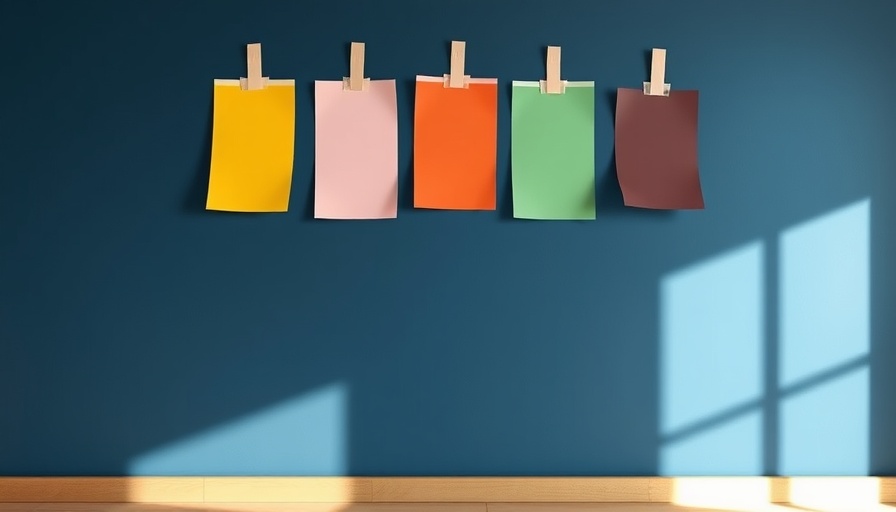
Non-Plastic Paints: varied color swatches display on a dark blue wall.

The Shift Towards Eco-Friendly Paints

A fresh coat of paint has long been a popular method to refresh our homes. However, with the rise of environmental awareness, people are now understanding that traditional acrylic and latex paints may not be the best choice. These paints are primarily made from petrochemicals that contribute to pollution and environmental degradation. According to the Healthy Materials Lab at Parsons School of Design, these products not only release harmful microplastics but also have a high carbon footprint. Amidst these revelations, homeowners are increasingly seeking out alternatives that are both safe for their health and the planet.

Revisiting Natural Paints: A Historical Perspective

Historically, paints made from natural ingredients like slaked lime, clay, and plant oils have been used for centuries. For example, the ancient Romans painted their stucco dwellings using locally sourced materials, a fact praised by Jonsara Ruth of the Healthy Materials Lab. As paint technology advanced, these natural options fell out of favor in favor of easier-to-apply synthetic versions filled with chemicals. However, the tide is changing as homeowners return to these age-old methods grounded in sustainability.

Exploring Environmentally Friendly Options

Fortunately, there’s no need to sacrifice aesthetic values for environmental health. Today, we have a variety of eco-friendly paints made from natural resources. Healthier paints can be made from linseed oil, soy, clay, lime, chalk, silicate, and cellulose resin. These paint options are not only easy to use but are also kind to the Earth. They offer rich colors without the environmental toll associated with synthetic alternatives. Ruth highlights three main types of paints available: clay, lime, and mineral paints. Additionally, natural oils like flax seed, tung, and walnut enrich the palette of available products.

Benefits of Using Non-Toxic Paints

One significant advantage of opting for natural paints is their biodegradability. Unlike synthetic paints that may leach harmful chemicals into the soil, organic paints can safely decompose once discarded. Furthermore, with growing interest in sustainability, the market for these natural alternatives is expanding, leading to more options for consumers. Additionally, many are accessible through various brands, ensuring that making an eco-conscious choice is easier than ever.

What You Need to Know Before Painting

When considering a change in your home’s color scheme, it’s essential to research the type of paint you want to use, particularly if you’re aiming for an environmentally conscious approach. Look for labels that specify natural or plant-based ingredients, and consider seeking paints that offer transparency about their sourcing and production methods. Painting your home with non-toxic products is not just a trend; it’s a meaningful step toward a healthier living environment and planet.

Whole Home

Write A Comment

*
*
Related Posts All Posts
12.07.2025

Explore What to Do Under December's Cold Moon: Crafting and Gardening Ideas

Update Understanding the Allure of Cold Moon As December rolls in, the Cold Moon casts a delicate glow over the landscape, stirring up emotions and seasonal excitement. This time of year is perfect for engaging in creative holiday projects, making it a favorite for artists and decorators alike. It’s no wonder that various trends emerge around this period, influencing not just gardening but also home decor and entertaining. Crafting for the Holidays This holiday season, many are embracing the art of DIY projects. Whether it's creating handcrafted ornaments to decorate the home or engaging in community gatherings through events like the Craft Feast at Stissing House, the spirit of creativity is alive. The Cold Moon can inspire personalized decorations, such as embossed tin ornaments made from recycled materials, showcasing sustainability alongside artistic flair. Imagine spreading joy through unique crafts that not only beautify your space but also reflect your personality and commitment to the environment. Garden Trends for a Sustainable Future With sustainability being a prominent theme in 2025, home gardeners are increasingly adapting their practices to meet environmental challenges. The connection between enjoying the outdoors and caring for our planet can be felt not only during the chill of winter but also in preparation for the bustling spring ahead. Experts suggest focusing on several key trends: - Sustainable Landscaping: Homeowners are gravitating towards native plants that require less water and no harmful chemicals, providing habitats for local wildlife while creating a stunning natural aesthetic. - Mindfulness Gardens: The importance of mental wellness continues to gain recognition, leading to the creation of serene meditation spots filled with fragrant herbs and muted colors that calm inflammation and promote relaxation. Incorporating High-Tech Solutions in Gardening In the age of technology, it would be remiss not to tap into smart gardening solutions. Automated systems manage watering schedules while ensuring your plants remain hydrated efficiently. The combination of beauty and tech in gardens allows enthusiasts to enjoy their aesthetic while optimizing maintenance — especially useful for those with busy schedules. Bringing Joy into Spaces The interplay between nature and modern living is best emphasized through comfortable outdoor setups. As outdoor kitchens and cozy seating areas become staples, these spaces are transformed into havens for relaxation and entertainment. Imagine hosting festive gatherings around a warm fire pit, enveloped in the beauty of the Cold Moon while sipping hot cocoa with family and friends. This Season is for Connection Ultimately, the Cold Moon reminds us to connect with our surroundings, whether through nurturing our gardens, enhancing our homes with thoughtful details, or sharing experiences with loved ones. This December is not only about celebration; it’s also about cultivating sustainability and mindfulness that we can carry into the new year. As you consider the ideas presented this month, think about incorporating sustainable practices and creative projects into your own holiday celebrations. Your journey into winter can be an enriching experience that combines adventure, art, and ecology. Stay ahead with these inspiring tips and trends! Let the beauty of the Cold Moon guide your endeavors this season.

12.06.2025

How Pauline Percheron Revived a Historic Maison de Maître in Montpellier

Update Reimagining a Historic Home: The Role of Preservation When architect Pauline Percheron embarked on the journey of restoring a charming maison de maître just outside Montpellier, she faced a unique challenge: how to modernize while cherishing the rich history of the structure. This delicate balance is crucial in architectural restoration, especially in regions like the south of France where heritage is deeply cherished. Why the Design Choices Matter Percheron's design philosophy centers around respect for the past. Choosing to retain elements like the grand staircase and existing moldings wasn’t just about aesthetics; it was about creating continuity between the old and the new. This appreciation for history enhances the home, making it a cozy retreat for the owners and their family, while subtly infusing modern conveniences that support contemporary living. Light and Space: Key Features of Modern Living One of the significant decisions in this renovation was to unify the fragmented ground floor of the home, making it feel more spacious. By opening up the layout and introducing large, light-filled areas, the house transforms into a warm gathering place. This is particularly resonant for the owners, who envision their home as a place for family gatherings, filled with laughter and connection. Thoughtful Blending of Old and New The integration of vintage pieces into the design is another thoughtful choice that reflects the owner's character and family history. Items collected from local flea markets, like the unique sideboard and eclectic lighting fixtures, add soul to the home, making it feel alive and personal. Such pieces tell stories—stories of the past that harmonize with modern design. Navigating Renovation Challenges Every renovation comes with its set of challenges, and this project was no exception. From restoring the original stone staircase, which needed a careful wooden stair runner to prevent wear, to ensuring modern features did not overpower historic details, Percheron’s sensitivity to design and continuity shines through. These decisions reflect a broader trend in design that values sustainability and thoughtful innovation—a principle that’s becoming increasingly important in eco-conscious homes. Growing Importance of Sustainable Renovations This project illustrates a growing movement towards sustainable renovations, where preserving the past meets modern-day needs. As society becomes more aware of environmental impacts, architects and homeowners alike are reflecting on how renovations can honor the past while preparing for the future. In this context, Percheron's work stands as a model of how this can be achieved. In conclusion, this restoration project beautifully captures the essence of thoughtful architectural design by marrying historic preservation with modern functionality. For homeowners considering similar renovations, this case underscores the importance of working with a professional who understands how to balance these needs. Choose wisely and enjoy the journey of reimagining your space!

12.05.2025

Unveiling a Sustainable Kitchen: Lessons from a Great British Bake-Off Star

Update The Inspiring Sustainable Renovation of a Great British Bake-Off Alum James Morton, a familiar face from The Great British Bake Off, has taken on an ambitious project in Glasgow, transforming his Edwardian terrace home into a model of sustainable living. Along with his wife, Fenella Barlow-Pay, the couple has revitalized their home, not just to make it beautiful but also to make it energy-efficient and environmentally friendly. Striking a Balance Between Tradition and Sustainability The Mortons' home exemplifies how older homes can be retrofitted for modern needs. With their renovation, they kept the historic red sandstone facade, maintaining the charm of their late-19th-century home while integrating sustainable features. They achieved an EPC rating of A, showcasing that historical homes can be both energy-efficient and cozy. Emphasizing Self-Sufficiency in DIY Renovations What’s remarkable about this project is the couple’s hands-on approach. They took on daunting tasks themselves, learning new skills that helped cultivate a strong sense of accomplishment. As Fenella stated, “Doing much of the work ourselves was hard... but it was also rewarding.” It’s a heartfelt reminder that renovation is not just about creating a space but also about personal growth and family bonding. Design Choices for a Sustainable Future The couple collaborated with Loader Monteith, a firm dedicated to sustainable architecture, to design an extension that blends modern aesthetics with functionality. The two-part corten steel and burnt larch addition not only enhances the home’s appearance but is also built to last. By charring the wood instead of using paint, they ensured long-lasting protection while embracing a stylish look. Bringing Light and Nature Indoors The newly designed kitchen features large sliding doors that allow natural light to flood in during the day, creating a warm gathering space for family and friends. The room includes built-in benches and cleverly placed glazing that optimizes views of the garden, blending the indoors with the tranquility of nature. Fundamental Elements for Modern Living The kitchen itself is a dream come true for James, designed not just for cooking, but for community and togetherness. With a spacious island, integrated ovens, and a dedicated coffee station, it encompasses everything a modern kitchen should provide. It’s an ideal example of how thoughtful design can enhance daily life, encouraging cooking and connection. The Broader Impact of Sustainable Living This renovation reflects a growing trend in the home improvement industry towards sustainability. More homeowners are seeking to lessen their carbon footprint, and the Mortons' efforts serve as an inspiring case study. As communities increasingly prioritize eco-friendly initiatives, projects like this highlight the broader movement towards sustainability in home design. The Mortons’ journey not only showcases their dedication to sustainability but also raises awareness about the potential for transforming older homes. With creativity and effort, it’s possible to blend the charm of the past with the necessities of modern living. If you're considering a renovation, take a page from their book and think about how you can make your home more sustainable!

Terms of Service

Privacy Policy

Core Modal Title

Sorry, no results found

You Might Find These Articles Interesting

T
Please Check Your Email
We Will Be Following Up Shortly
*
*
*