Guardian Home Network Shield and Logo
UPDATE
  • New Home Ideas
  • Play Around
  • Home
  • Design & Curb Appeal
    • Painting
    • Landscaping & Outdoors
    • Windows & Doors
    • Lighting & Fixtures
  • Home Systems
    • Roofing
    • Plumbing
    • HVAC
    • Electrical
  • Remodel & Renovate
    • Design Ideas
    • Kitchen & Bath
    • Additions & Conversions
    • Whole Home
    • Flooring
  • Guides & Tools
    • Homeowner Checklists
    • Hiring a Pro
    • Cost Calculators
    • Warranty & Insurance
  • Fix & Maintain
    • Handyman Tips
    • Seasonal Checklists
    • Disaster Restoration
    • Maintenance Guides
  • Smart & Sustainable
    • Smart Home
    • Home Security
    • Solar & Energy Efficiency
    • Upgrades
  • News & Trends
    • Trade News
    • Regulations & Codes
    • Seasonal Trends
    • Product Reviews
January 21.2026
1 Minute Read

Beyond the Estimate: Stone-Coated Steel, Vent Math, and the Future of Houston Roofing and the 4X Cost Gap

Understanding the 4x Cost Gap in Houston Roofing: What Every Property Owner Must Know
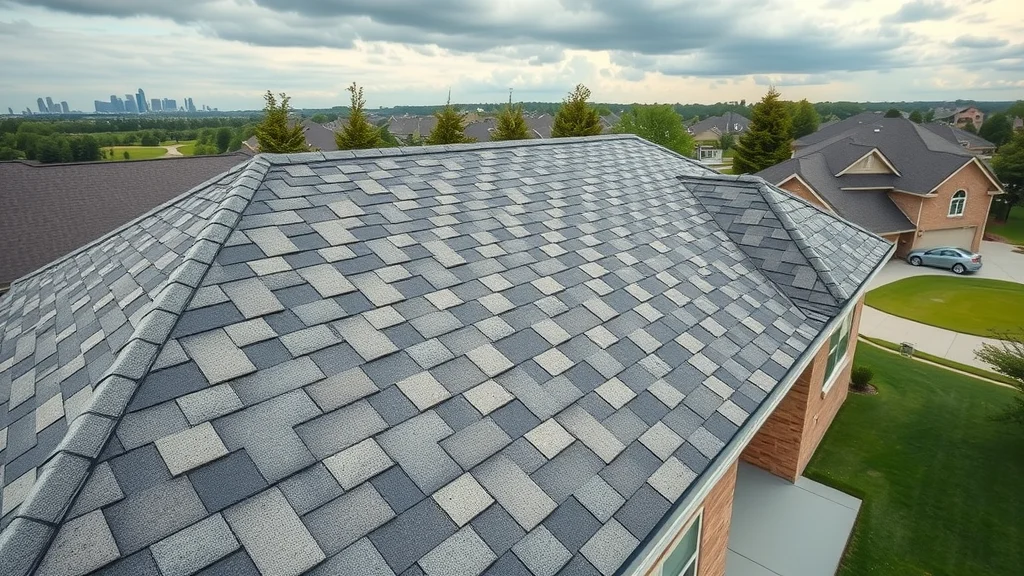
Stone-coated steel shingles Houston roof closeup showing well-maintained, durable roofing surface, contrasting with asphalt, suburban Houston setting
"The real math behind roofing estimates reveals why a roof that seems costly up front often saves you tens of thousands long term." – Mr. Vitulli

Houston’s relentless humidity, volatile storms, and extreme UV exposure create a unique climate challenge for property owners, especially when making major investments in roofing systems. The reality that Mr. Vitulli, founder of Kainos Roofing & Exteriors and acclaimed building science specialist, wants property owners to recognize is that the apparent 4x cost difference between options like stone-coated steel shingles and standard asphalt or budget metal panels isn’t just about raw material costs. Instead, it reveals an unspoken spectrum of performance, risk, and true financial return on investment (ROI). According to Mr. Vitulli, most property owners are drawn to low bids but miss the hidden dangers baked into “cost-saving” proposals—risks that may only become visible after a catastrophic Gulf storm or an unexpected insurance notice.

For Houston homeowners and investors eyeing long-term value, understanding the real drivers behind this 4x cost gap is not an abstract question—it’s mission critical. As Mr. Vitulli emphasizes, price differences tell a story about installation quality, code compliance, storm resistance, and, ultimately, how likely your roof is to protect your family, finances, and property standing when the next hurricane rolls through. By unpacking the technical layers beneath roofing estimates, Jimmy Vitulli offers a rare perspective that turns sticker shock into strategic opportunity.

Breaking Down Stone-Coated Steel vs. Standing Seam and R-Panel Costs

"Many cost differences you see stem from incomplete scopes or shortcuts like high-nailing, which inflate risk and insurance exposure." – Mr. Vitulli
  • Key cost drivers in metal roofing materials
  • Hidden installation risks in lower-cost bids
  • Lifetime maintenance and durability impacts
  • Storm protection and insurance benefits of Class 3/4 shingles
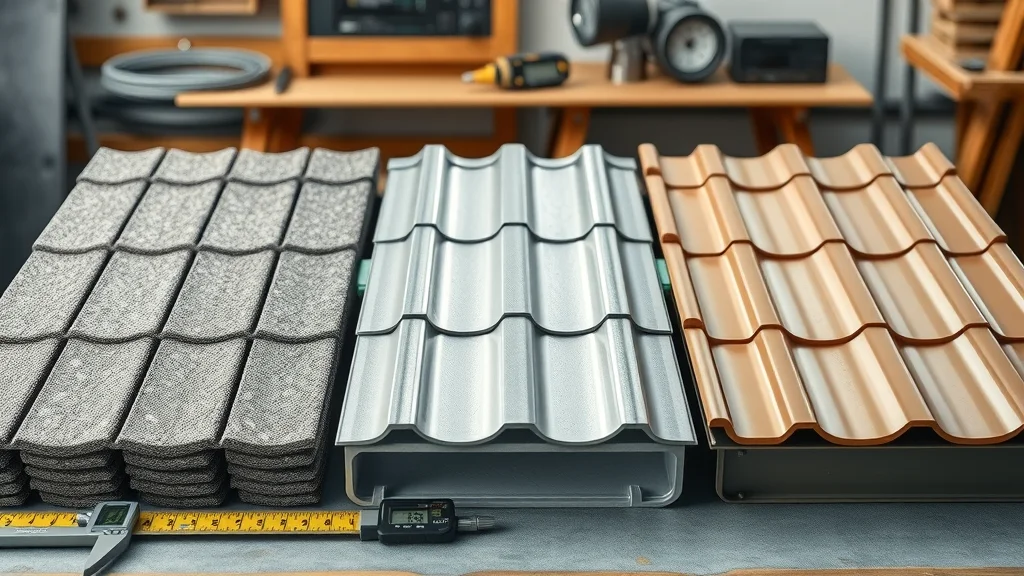
Comparative metal roofing materials: stone-coated steel, standing seam, and r-panel samples, detailing textures and quality for stone-coated steel shingles Houston buyers

When considering stone-coated steel shingles Houston versus standing seam or r-panel alternatives, Mr. Vitulli breaks the analysis into technical and financial layers. First, the materials themselves: stone-coated steel is engineered for both resilience and aesthetics, featuring a steel core shielded by layers of zinc and acrylic, topped with stone granules. This structure offers far superior protection and longevity compared to basic exposed fastener R-panel or even many standing seam systems, which often lack the impact-rating or finish durability demanded by strict Houston insurance carriers.

Mr. Vitulli’s experience shows that most estimates fail to account for the underlying risks of budget bids—most notably, incomplete scopes and dangerous shortcuts. For example, high-speed installations that cut venting corners or “high-nail” shingles to save labor produce roofs that can be denied for warranty coverage or even trigger insurance cancellation upon inspection. The true cost gap, Vitulli asserts, is driven not just by material line-items but by whether your proposal includes long-term prevention of leaks, insurance headaches, and storm-borne losses. The expert’s perspective is that a smart investment up front neutralizes years of ticking time bombs in Houston’s unpredictable climate, especially when multiplied by the frequency of Gulf Coast storms.

Maximizing ROI for Houston Homes Through Smart Material Choice and Ventilation

"In Houston's brutal 90% humidity and extreme UV, understanding ventilation air exchanges alongside roofing materials is critical to preserving your investment." – Mr. Vitulli

A roof isn’t just a cap on your home—it’s an integrated system that battles moisture, heat, and wind, all of which are magnified in Houston’s Gulf climate. According to Mr. Vitulli, the ROI equation for roofs here depends not only on choosing the right material but ensuring the entire system is optimized for air movement and thermal dissipation. The pitfall in most replacement projects is that ventilation is treated as an afterthought, when, in reality, it’s the difference between a roof that lives up to its warranty and one that fails quietly in just a few short years.

This is where stone-coated steel shingles demonstrate their true value. Their advanced engineering resists corrosion and wind-driven rain, but they also work synergistically with proper attic ventilation to extend deck life and prevent trapped moisture—the silent destroyer of ordinary Houston roofs. Energy costs, too, remain lower year after year as a well-ventilated attic under reflective steel stays cooler, reducing air conditioning loads during blistering summer months. For property owners seeking more than just “hail rating” in their next roof, pairing material science with a ventilation strategy, as Mr. Vitulli advises, is the surest path to maximizing both comfort and capital value.

How Stone-Coated Steel Delivers Value for Coastal and Luxury Properties
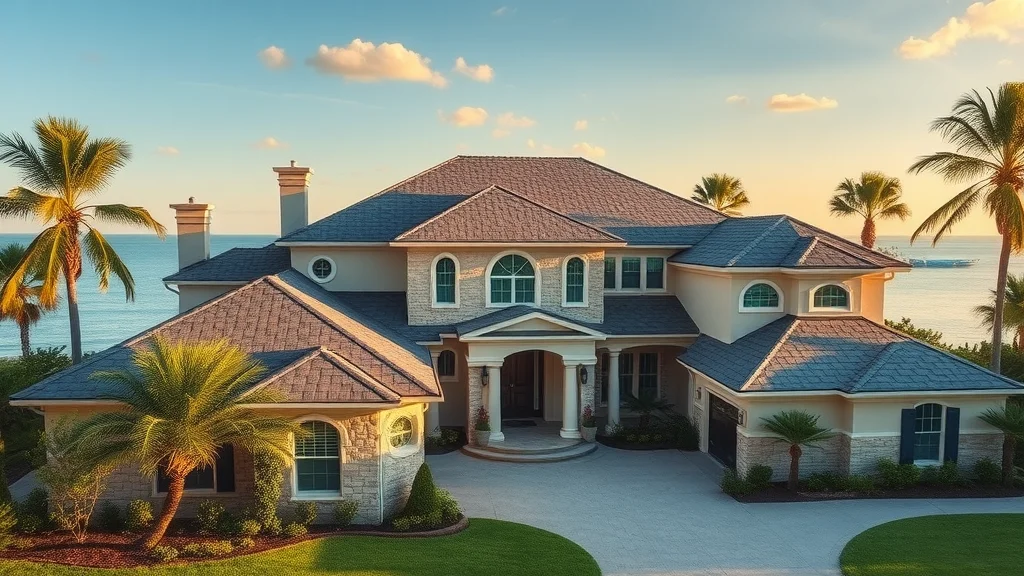
Houston luxury coastal property with stone-coated steel shingles, highlighting storm protection and curb appeal
  1. Superior storm resistance tailored for Gulf Coast hurricanes
  2. Energy efficiency benefits reducing cooling costs
  3. Extended longevity minimizing premature replacements
  4. Insurance premium savings tied to impact-rated roofing

For coastal property and luxury homeowners, every line-item in a roof proposal is magnified by exposure risk and property value. According to Mr. Vitulli, stone-coated steel shingles Houston installations outclass alternatives in hurricane-prone neighborhoods—not only surviving extreme impact and wind, but qualifying for premium reductions through Class 3 and Class 4 impact ratings. In real terms, this means avoiding the tragic cycle of “tear-off and replace” after every heavy storm season, while maintaining the clean, high-status appearance luxury buyers demand.

Most importantly, Vitulli notes, impact-rated steel solutions are increasingly required by insurers who are tightening eligibility rules after years of mounting losses on the Gulf. The upshot: owners betting on budget materials or overlooked code-compliance risk not only aesthetic disappointment but sudden, sometimes uninsurable financial loss. Long after the upfront check has cleared, stone-coated steel restores decision-makers’ bargaining power with insurance, buyers, and lenders. In that sense, as Mr. Vitulli cautions, real ROI is as much about risk management as about weatherproofing.

Dissecting Incomplete Scopes and Installation Shortcuts that Inflate Risks and Costs
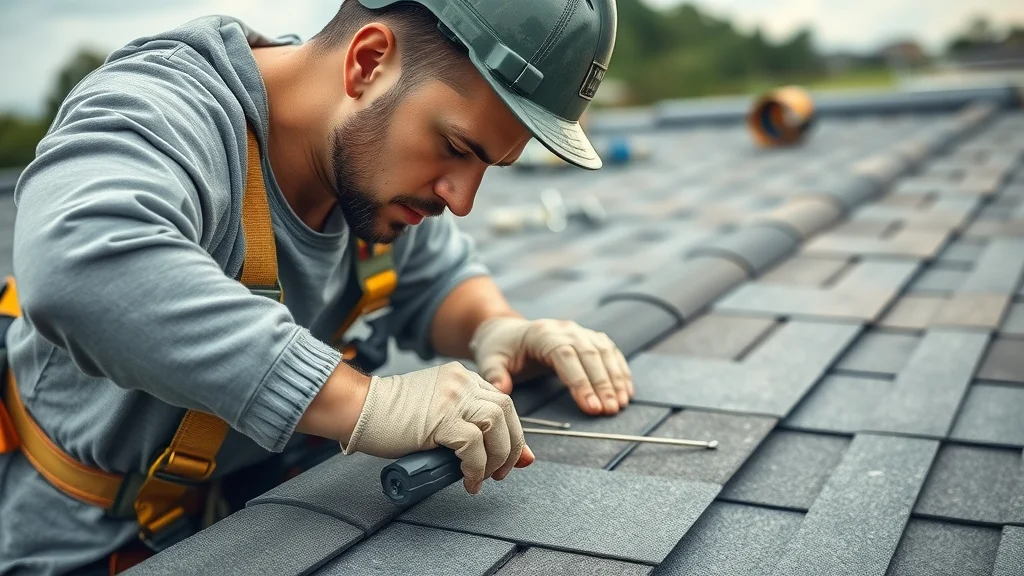
Professional roofer in Houston demonstrating correct shingle nailing technique during stone-coated steel shingle installation

High-Nailing and Other Hidden Defects: The Silent ROI Killer

"Cutting corners may lower your upfront outlay but could result in cancellations or failures—costing you more in the long run." – Mr. Vitulli

One of the most insidious threats to long-term roofing ROI in Houston is the prevalence of incomplete scopes—estimates that gloss over critical installation details in pursuit of a low bid. Mr. Vitulli frequently encounters enigmatic proposals that skip ventilation calculations, underbid on fastener quality, or worse, permit dangerous techniques like high-nailing, which void both manufacturer and insurance warranties. According to Vitulli, these shortcuts often convert what appears to be a “budget-friendly” solution into a future liability, with failures surfacing when the builder or low-bid contractor is already long gone.

The expert’s perspective is that credible proposals take nothing for granted, spelling out every component from decking prep and underlayment to certified nailing patterns and air exchange rates. In the world of stone-coated steel shingles Houston, skipping these steps is non-negotiable—especially when you consider that failed roof claims are among the top sources of insurance litigation in Texas coastal counties. Mr. Vitulli’s insight: Every shortcut tolerated at installation multiplies risk and directly undermines the investment premium of advanced roofing materials.

The Vent Math: Why Proper Attic Air Exchange Shapes Roofing Performance

  • Optimal 6-to-10 air exchanges per hour explained
  • Avoiding attic dead zones to prevent moisture buildup
  • How ventilation protects and extends roof lifespan
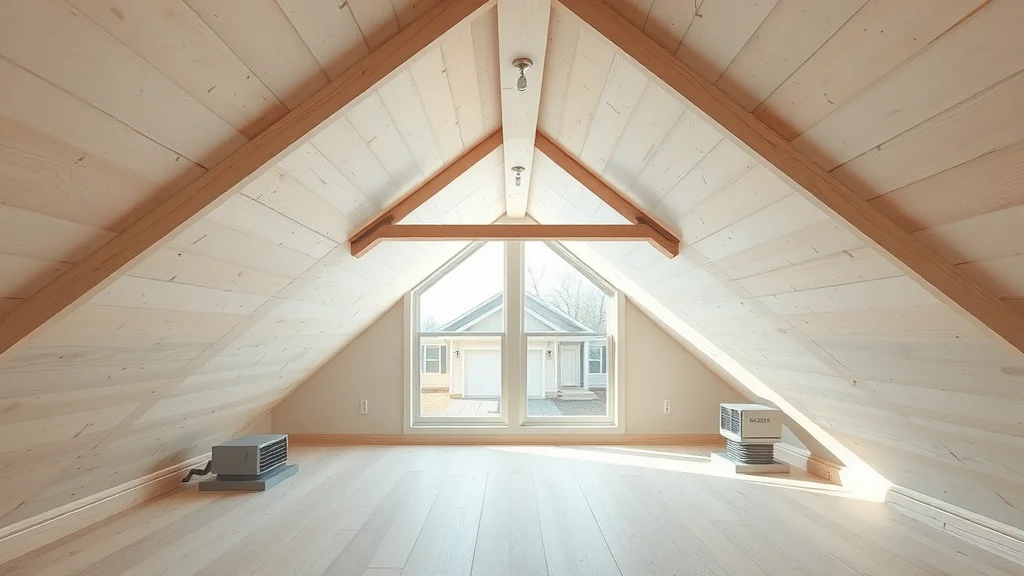
Well-ventilated attic in Houston home showing optimal airflow design for stone-coated steel shingles Houston

At the intersection of atmospheric science and property investment is what Mr. Vitulli calls “the vent math.” According to his system analysis, Houston homes should target 6 to 10 full air exchanges per hour to safely evacuate moisture and trapped heat from attics. Anything less creates “dead zones”—pockets of stagnant, humid air that corrode fasteners, rot decking, and neutralize the weatherproofing benefits of even the best shingle materials. For stone-coated steel shingles, which rely on a robust substrate for longevity, vent math is the unheralded key to both performance and value retention.

Ignored or improperly calculated, attic ventilation sabotages more roofs in Houston than any single technical factor, “lowering ROI each year the issue goes unchecked,” as Mr. Vitulli puts it. He advises that property owners demand vent calculations and airflow diagrams as part of their project scope—ensuring the materials’ inherent advantages aren’t lost to sabotaged airflow and preventable moisture buildup. In the hands of a skilled consultant, proper ventilation transforms a costly system upgrade into a perpetually compounding asset, rather than a soon-to-fail experiment.

Summary: Real Roofing ROI in Houston Demands Technical Insight and Strategic Investment

  • 4x cost differences reveal more than just material price gaps
  • Stone-coated steel shingles offer unmatched storm protection and longevity
  • Avoid incomplete scopes and installation shortcuts at all costs
  • Integrate ventilation math and insurance class benefits into decisions
Houston skyline with stone-coated steel roofing, showcasing storm resilience and long-term ROI for Houston homeowners

Property owners who fixate on upfront price often overlook the existential risks embedded in the fine print—especially in Houston’s high-stakes, storm-exposed market. According to Mr. Vitulli, decoding the infamous “4x cost gap” means challenging incomplete scopes, betting on Class 3/4 impact ratings, and integrating ventilation strategies that transform roofs from one-off expenses into insurance-backed, energy-efficient assets. Stone-coated steel shingles put the control back in owners’ hands—neutralizing storm and insurance crises before they even materialize.

Smart clients, Mr. Vitulli believes, are those who approach roofing with the same rigor as their financial or portfolio investments: methodical, data-driven, and mindful of “silent failure” risks masked by tempting low bids. As the expert often advises, “There’s no substitute for a line-by-line, technically complete proposal—anything less is expensive guesswork. True ROI lives in the details.”

Take Action: Secure Your Houston Property with a Precise Roofing Proposal

"A detailed, line-item roofing proposal is your roadmap to informed investment, risk mitigation, and true ROI." – Mr. Vitulli

Your roof is the silent sentinel of your property’s value and safety—especially in Houston’s punishing environment. To truly maximize ROI and storm protection, demand a comprehensive, line-item roofing proposal from a qualified, technically savvy provider like Kainos Roofing & Exteriors. This critical step ensures your material, installation, and ventilation selections are not only best-in-class but are engineered for long-term durability, lower insurance risk, and ongoing energy savings. Reach out to secure your complimentary, detailed proposal and see firsthand how stone-coated steel shingles Houston homeowners trust are transforming property investments up and down the Gulf Coast.

No external links could be added.

Roofing

0 Comments

Write A Comment

*
*
Please complete the captcha to submit your comment.
Related Posts All Posts
05.15.2026

Discover How Elite Roofing Became a Leader in TPO Roofing Solutions

Update The Rise of Elite Roofing: A Journey of Commitment and Craftsmanship In the bustling heart of Philadelphia, a remarkable success story has unfolded in the realm of roofing. Elite Roofing, established nearly 35 years ago by Paul Cooper and Rafi Levy, began as a regional player in the Delaware Valley and has evolved into a national leader in TPO roofing systems, boasting over $75 million in annual revenue. This incredible transformation exemplifies not only their technical prowess but also their unwavering commitment to client satisfaction. From Humble Beginnings to National Leader Initially, Elite Roofing specialized in conventional torch work and shingles for both residential and commercial projects. Over time, they boldly pivoted towards single-ply TPO systems, capitalizing on their inherent benefits—lightweight, energy-efficient, and adaptable to various architectural specifications. This strategic decision allowed them to provide significant cost savings for clients while maintaining high warranty standards. In an industry often fraught with uncertainties, Cooper captures their philosophy beautifully: "When a customer comes to us, we look at it like we're the customer. What would we do for them if it were my roof?" This mantra has played a crucial role in building lasting client relationships and establishing trust. A Family Approach to Business Culture What sets Elite Roofing apart isn't just their roofing solutions but also their innovative workplace culture. Operating on a flat hierarchy, the owners exemplify a family-driven culture, ensuring that every employee feels valued, regardless of their task. They remind their team that no job is too small—leading by example and engaging in routine maintenance tasks themselves. This humane approach to work-life balance fosters a “no-penalty” culture for mistakes, creating a collaborative environment rich in authentic communication and teamwork. Operational Excellence: Learning Through Experience Achieving operational excellence is no small feat. Elite Roofing’s growth trajectory underscores a deep commitment to continuous learning and adaptation. Vice President of Sales Jake Hegel emphasizes that their success was built on years of trial and error. Their breakout moment came from the Bell Works project in Holmdel, New Jersey—a six-year endeavor involving extensive TPO installations. This experience not only honed their craft but also reinforced their reputation for high-quality service and reliability. Current Trends Shaping the Roofing Industry The landscape of commercial roofing is continually evolving, and Elite Roofing is dedicated to remaining at the forefront. As outlined in recent trends, the roofing industry will likely see a shift towards sustainable materials, advanced technologies, and greater emphasis on durability, particularly as climate events become more frequent and severe. According to industry experts, the increasing demand for eco-friendly roofing solutions is driving investments in materials such as TPO, which not only enhance energy efficiency but also help preserve the environment. Why TPO Roofing is Gaining Popularity As contractors and building owners look for energy-efficient alternatives, TPO roofing is becoming a popular choice. Not only does it offer excellent thermal performance, but its lightweight structure reduces installation times, making it a cost-effective solution. TPO's high solar reflectivity is also appealing in warmer climates, as it plays a role in lowering cooling costs, giving it a competitive edge over other roofing solutions like EPDM and PVC. Emphasizing Customer Service and Trust One of the core tenets of Elite Roofing’s success is their superior customer service. From the initial consultation to post-installation support, they maintain open lines of communication, ensuring that clients are always informed and satisfied. This level of service instills confidence, leading to long-term partnerships with property owners, multi-family dwelling operators, and property managers. Looking Ahead: The Future of Elite Roofing The future looks bright for Elite Roofing as they continue to innovate and adapt to industry shifts. Their commitment to operational excellence, coupled with a touch of family spirit in their culture, positions them uniquely for sustained growth. For homeowners and property managers seeking reliability and quality in roofing solutions, understanding the dynamics behind a contractor's journey can prove indispensable. Call to Action For those considering taking care of their roofs with similar excellence, look no further than Houston's Guardian Roofer, Kainos Roofing & Exteriors. Call them at 713.487.5255 to discover how to maintain the integrity of your home.

05.02.2026

Transforming Roofing Projects with GAF QuickMeasure Reports

Update Transforming Roofing Projects with GAF QuickMeasure Reports The advent of technology has brought tremendous convenience to many industries, and the roofing sector is no exception. Gone are the days when contractors had to lug ladders to assess each job site manually. With GAF QuickMeasure™ Reports, homeowners and property managers can now obtain accurate roof measurements in a fraction of the time it typically requires, all without setting foot on a ladder. The Evolution of Roof Measurement Historically, roof measurement relied heavily on physical inspections requiring time-consuming tasks like climbing rooftops. This traditional approach posed not only logistical challenges but also safety concerns. Now, GAF’s QuickMeasure reports offer a modern solution, leveraging aerial imagery to deliver a comprehensive view of roof dimensions quickly and efficiently. This technology is a step forward, allowing even beginners to grasp roofing requirements more easily. What Makes GAF QuickMeasure Reports a Game-Changer? The GAF QuickMeasure Reports simplify the whole process of obtaining roof measurements. Instead of physical inspections leading to time delays, this service produces accurate data under an hour, presenting all necessary details and specifications. Key features include: GAF Bill of Materials: Each report comes with a ready-to-use list, making it easier to order materials without back-and-forth communication. Interactive 3D Renderings: The reports provide visual tools that make product presentations more dynamic and effective. Flexible Pricing: Starting at just $18 without the need for subscriptions or certifications, these accessible reports cater to a wide audience. Residential properties aren't the only beneficiaries—multifamily and commercial properties can also utilize these advanced measurements. Accessibility and Resource Efficiency With pricing starting as low as $18, GAF QuickMeasure Reports are accessible to countless homeowners and property managers. This affordability ensures that quality measurements are within reach, even for those managing multiple properties. Accessibility fosters efficiency, strategically streamlining project workflows for contractors who can then tailor their bids based on precise measurements rather than estimations. A Future of Innovation in Contracting As the construction industry continues to evolve, the integration of innovative technologies heralds significant changes in how we approach home renovation. The use of aerial imagery not only revolutionizes how assessments are done but sets a standard for future practices. Homeowners who embrace these technologies can expect more accurate assessments, timely project delivery, and enhanced overall experiences with contractors. Getting Started with GAF QuickMeasure Reports If you’re eager to utilize the GAF QuickMeasure for your next roofing project, remember to toggle between residential and commercial options to find the specifics that suit your needs. Certified GAF contractors can log in through the Partner Portal to access further discounted options, amplifying their ability to deliver quality services efficiently. Enhancing Your Home with Professional Insights Engaging a reputable roofing contractor like Kainos Roofing & Exteriors can provide immense value. If you want to safeguard your home, feel free to reach out to Houston’s Guardian Roofer at 713.487.5255. Their expertise ensures your roofing needs are handled with care, allowing you to enjoy peace of mind in maintaining your home. In summary, embracing innovations like GAF QuickMeasure Reports not only enhances your project's efficiency but also empowers you as a homeowner to make informed decisions. If you are contemplating roofing renovations, do not hesitate—take advantage of these advancements today!

04.05.2026

Class 3 vs. Class 4 Shingles: Which One is Right for Your Home?

Update Shingle Choices for Homeowners: Class 3 vs. Class 4 Explained Choosing the right roofing shingles is crucial for any homeowner, especially in hail-prone areas. With recent reports indicating that hailstorms caused over $160 billion in property damage in just one year, understanding your roofing options becomes paramount. Generally, shingles are classified based on their impact resistance—Class 1 being the lowest and Class 4 the highest. Today, we’ll delve into the important differences and considerations between Class 3 and Class 4 shingles to help you make an informed decision. Understanding Shingle Ratings and Impact Resistance The degree of impact resistance for roofing shingles is determined through standardized testing, notably by the Underwriters Laboratories (UL) using the UL 2218 standard. This method involves dropping steel balls of varying weights from specified heights and observing the shingle's reaction. The results categorize shingles as Class 1 through Class 4: Class 1: Tested with a 1.25-inch ball from 12 feet. Class 2: Tested with a 1.5-inch ball from 15 feet. Class 3: Tested with a 1.75-inch ball from 17 feet. Class 4: Tested with a 2-inch ball from 20 feet. Besides the physical tests, the type of material used and construction techniques also play a significant role in the shingles’ performance. Both Class 3 and Class 4 shingles offer good protection against moderate hail impacts, but Class 4 provides additional durability for regions facing severe weather conditions. Class 3 Shingles: A Cost-Effective Option GAF Class 3 shingles are a popular choice for homeowners looking for balance—affordability and protection. These shingles are typically made from resilient fiberglass mats, asphalt coatings, and have a granular surface, allowing them to absorb the shock of moderate hail impacts effectively. They are suitable for areas that might not experience severe hail but still want a reliable roofing option. GAF’s Class 3 shingles include well-regarded products like Timberline HDZ® and Camelot II®. Homeowners in moderate hail zones can appreciate the lower upfront costs of Class 3 shingles, alongside the aesthetic choices they offer. On average, they have a lifespan of 20-30 years, making them a practical choice for many. Class 4 Shingles: Premium Protection for High-Risk Areas For those living in areas that experience frequent or intense hailstorms, Class 4 shingles could be a wise investment. These shingles meet the highest standards of impact resistance—having withstood impacts from a 2-inch steel ball dropped from a height of 20 feet. Class 4 shingles commonly utilize more advanced materials such as Styrene-Butadiene-Styrene (SBS) modified asphalt, which enhances flexibility and reduces the chances of cracking during storm events. The long-term value of Class 4 shingles is compelling—while they come with a higher initial price tag, the potential for reduced insurance premiums, less frequent need for repairs, and longevity (typically over 30 years) often offsets the higher costs. If your house is in a high-risk hail zone, opting for Class 4 shingles may even be required by local building codes. Insurance Benefits: Potential Savings on Premiums Another essential aspect of choosing between Class 3 and Class 4 shingles involves understanding insurance implications. Many homeowners discover that installing impact-resistant roofing can lead to significant premium discounts. Typically, Class 3 shingles may qualify for a 5-10% reduction, while Class 4 shingles might see discounts ranging from 10-25%. To leverage this potential benefit, it’s crucial to consult with your insurance carrier and keep all necessary documentation. Making the Right Choice When deciding between Class 3 and Class 4 shingles, consider factors such as: Climate Zone: If hail is common in your area, Class 4 could be worth the investment. Budget: Class 3 is budget-friendly but assess if the long-term savings of Class 4 may suit your situation better. Insurance: Review potential discounts with your provider, as this could influence your overall costs significantly. Local Building Codes: Ensure compliance with your municipality's regulations regarding roofing materials. Ultimately, your roofing choice should reflect both your current needs and future considerations. Whether you prioritize affordability or are willing to invest in premium protection, understanding the differentiating factors of Class 3 vs. Class 4 shingles is essential. Take action today! If you need assistance with installation or choosing the best shingles for your home, contact Kainos Roofing & Exteriors at 713.487.5255 to ensure your home receives the best roofing care.

Terms of Service

Privacy Policy

Core Modal Title

Sorry, no results found

You Might Find These Articles Interesting

T
Please Check Your Email
We Will Be Following Up Shortly
*
*
*