Add Row
Add Element
Guardian Home Network Shield and Logo
UPDATE
Add Element
Add Element
  • Home
  • Design & Curb Appeal
    • Painting
    • Landscaping & Outdoors
    • Windows & Doors
    • Lighting & Fixtures
  • Home Systems
    • Roofing
    • Plumbing
    • HVAC
    • Electrical
  • Remodel & Renovate
    • Design Ideas
    • Kitchen & Bath
    • Additions & Conversions
    • Whole Home
    • Flooring
  • Guides & Tools
    • Homeowner Checklists
    • Hiring a Pro
    • Cost Calculators
    • Warranty & Insurance
  • Fix & Maintain
    • Handyman Tips
    • Seasonal Checklists
    • Disaster Restoration
    • Maintenance Guides
  • Smart & Sustainable
    • Smart Home
    • Home Security
    • Solar & Energy Efficiency
    • Upgrades
  • News & Trends
    • Trade News
    • Regulations & Codes
    • Seasonal Trends
    • Product Reviews
October 09.2025
2 Minutes Read

Essential Furnace Readiness As Temperatures Drop: Homeowner Tips

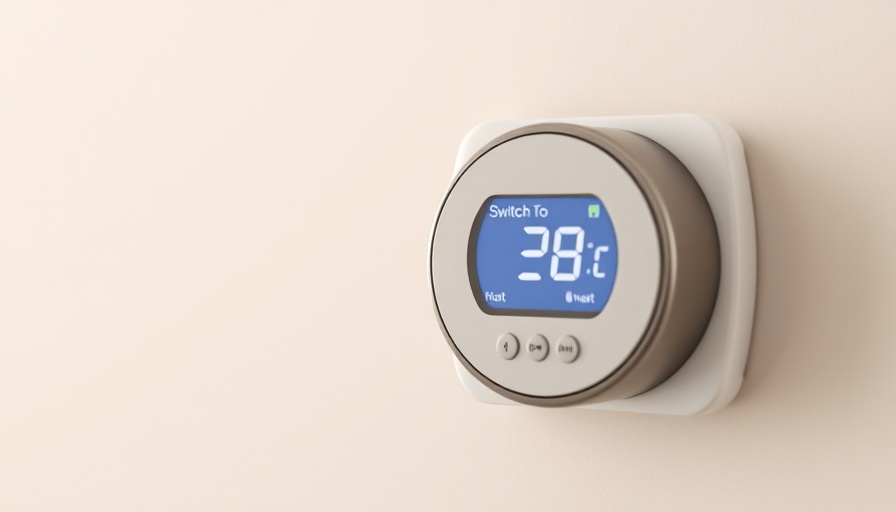
Thermostat displaying furnace readiness for winter, close-up view

Preparing Your Furnace for Winter: A Homeowner's Guide

As the crisp autumn air settles in across Northeast Wisconsin, homeowners are reminded that it’s time to trade their air conditioners for heating systems. HVAC experts emphasize the importance of ensuring your furnace is ready to perform efficiently and safely. Nick Conners, the owner of Healthy Home Heating & Cooling LLC, notes, “As it gets colder, we definitely get more calls.” He highlights that many homeowners often overlook potential issues that may have developed during the warmer months.

Common Furnace Issues to Watch For

Before activating your furnace for the first time this season, Conners advises homeowners to be on the lookout for common issues that could hinder performance. "Obstructions near vents are a frequent problem; bushes or furniture can block important airflow," he warns. Additionally, don't forget the filters—ensuring these are clean not only prevents overheating but also contributes significantly to the longevity of your unit.

Safety First: Carbon Monoxide Awareness

Safety is paramount when it comes to heating your home. Conners stresses the necessity of regular furnace maintenance, as this not only enhances energy efficiency but also mitigates risks such as carbon monoxide leaks. Many homeowners may notice a slight burning smell when they first turn on their furnace after months of inactivity. “It’s nothing to be alarmed about,” reassures Conners; however, if you encounter disturbing noises or a sulfur scent, it’s critical to address these issues immediately.

Energy Efficiency Tips for Home Heating

Wisconsin Public Service (WPS) offers low-cost strategies to maintain energy efficiency during colder months. You can maximize natural warmth by opening blinds on sunny days and closing them at night to prevent drafts. Additionally, adjusting your thermostat by a few degrees, particularly while sleeping or away from home, can lead to significant savings on energy bills.

Simple Solutions: Make Your Heat Work Smarter!

Further optimizing your home heating can be as straightforward as sealing gaps around windows and doors. And don’t forget about your ceiling fan! Setting it to spin clockwise on a low speed can help push warm air down into your living spaces. These small changes can collectively result in a more comfortable home during those chilly Wisconsin winters.

Bottom Line: Get Your Furnace Ready!

As temperatures dip, ensuring that your furnace operates efficiently and safely is critical for peace of mind and warmth throughout winter. By following these simple maintenance tips and insights, you not only protect your investment but also keep your household safe and snug. Share this guide with your friends and family to help them prepare their homes for the winter season!

HVAC

Write A Comment

*
*
Related Posts All Posts
12.07.2025

Flushing Your Tankless Water Heater: Save Big and DIY Easily

Update Why Flushing Your Tankless Water Heater Matters Flushing your tankless water heater is more than just a chore; it’s a necessary step in maintaining the efficiency and longevity of your appliance. Many homeowners overlook this simple maintenance task, which can lead to costly repairs down the line. In Houston's humid climate, minerals can quickly accumulate in your water heater, affecting its performance. By taking a couple of hours to complete this DIY project, you can ensure your unit runs smoothly, saving you from unexpected breakdowns and expensive service calls.In 'Save $350 By Flushing Your Tankless Water Heater Yourself!', the discussion dives into essential maintenance tasks for homeowners, exploring key insights that sparked deeper analysis on our end. Tools You’ll Need to Get Started Before you embark on your flushing journey, gather the necessary tools. You’ll need: A quality submersible pump (around $30-70) Hoses for connecting the pump to the water heater At least 2 gallons of white vinegar for effective cleaning This initial investment pales in comparison to the hundreds you could spend hiring a professional for regular maintenance. The combo of a quality pump and vinegar ensures that your tankless water heater receives the care it needs without breaking the bank. Step-By-Step Guide to Flushing Your Heater Flushing a tankless water heater is surprisingly straightforward. Here’s how to do it: Turn off the power and gas supply to your water heater. Connect your hoses to the flush valves. Fill a container with 2 gallons of vinegar and place the pump inside. Open the flush valves and start the pump, allowing the vinegar to circulate through the system. After about 1.5 to 2 hours, turn off the pump and clean the filters before doing a fresh water flush to clear out any remaining vinegar. Reconnect everything, turn the gas and power back on, and you’re ready to enjoy clean, hot water! Following these steps not only enhances your water heater's efficiency but also gives you valuable hands-on experience in home maintenance. Ongoing Maintenance: A Simple Checklist To keep your tankless water heater running efficiently year-round, consider this quick maintenance checklist: Flush your heater at least once a year, or more often if you have hard water. Inspect and clean any filters regularly. Check the temperature setting to ensure optimal performance (around 120°F is recommended). Look for signs of corrosion or wear on connections and fittings. Regular maintenance helps to prevent major problems, ensuring your water heater serves you well for years. FAQs: Common Questions About Tankless Water Heaters Many homeowners wonder about the ins and outs of tankless water heater maintenance. Here are some common questions: How do I know when my heater needs flushing? If you notice decreased water flow or strange noises, it’s time to flush. What is the typical cost of flushing a tankless heater? Doing it yourself could cost as little as $50 compared to $100-$300 for a professional. Can I use any type of vinegar? White vinegar is ideal, as it’s acidic enough to remove mineral buildup. Empowering yourself with knowledge about your home systems can demystify the process of DIY repairs and maintenance. Final Thoughts: Take Action Today By learning to flush your tankless water heater, you're not just saving money—you're gaining vital skills that enhance your confidence in tackling other home improvement projects. Take the opportunity to explore your home’s HVAC system, as understanding it can lead to better energy efficiency and significant savings. Consider researching the best HVAC services in Houston or how to find reliable AC maintenance options to ensure your home stays comfortable.

12.07.2025

Friedrich Named a Standout in Good Housekeeping 2026 Home Reno Awards

Update Introducing the 2026 Home Reno Award Winners Friedrich has been recognized as a winner in the highly coveted Good Housekeeping 2026 Home Reno Awards. This accolade highlights their commitment to quality and innovation in home improvement products. As many homeowners look to invest in renovations that enhance comfort and functionality, the recognition of such brands becomes increasingly significant. Why This Matters for Homeowners Good Housekeeping’s seal of approval carries weight in the home renovation market. With a focus on products that elevate living spaces, the award not only showcases industry leaders but also guides consumers in making informed decisions. As renovations become a staple in modern living, understanding the products endorsed by trusted sources can empower homeowners to invest wisely in their spaces. The Heart of Innovation Friedrich's approach to home renovation products encapsulates cutting-edge technology and design. Their commitment to energy efficiency and sustainability is noteworthy. In an era where smart homes are gaining traction, brands like Friedrich lead the charge by innovating products that not only enhance aesthetics but also promote environmental responsibility. Key Design Trends in Home Renovation As renovations advance, new design trends emerge that reflect changing consumer preferences. Smart home technology is at the forefront, with features that increase convenience and security. Homeowners are keen on integrating these innovations into their spaces, making knowledgeable purchasing decisions crucial. By opting for award-winning products, they ensure that their renovations meet both functional and aesthetic needs. Next Steps for Homeowners For those considering home renovations, exploring award-winning products can provide clarity in a saturated market. Investigating how these products can fit into your home's design is an essential step. Whether it's upgrading HVAC systems or enhancing kitchen functionality, incorporating recognized brands can significantly impact your overall satisfaction with the final result. Final Thoughts In the landscape of home renovation, accolades such as the Good Housekeeping 2026 Home Reno Awards serve as beacons for consumers. By highlighting brands that prioritize quality and innovation, residents are better equipped to create spaces that not only meet their immediate needs but also adapt to future demands. As you plan your next renovation project, remember to consider these award-winning solutions that promise to enhance your home's comfort and efficiency.

12.06.2025

Navigating the Sales Dip: Key Insights for HVACR Distributors

Update Understanding the October Sales Dip in HVACR Distribution In October, members of the Heating, Air Conditioning and Refrigeration Distributors International (HARDI) reported a 1.0% decrease in sales, a notable dip that has sent ripples of concern throughout the HVACR industry. This decline follows a year where sales had shown positive trends, making the October figures particularly striking. While annual growth for the past 12 months stood at 3.5%, the recent downturn highlights significant underlying challenges that members face. Economic Pressures and Market Softening Brian Loftus, HARDI's macroeconomic analyst, noted the difficult comparisons to October 2024, when five of the seven regions enjoyed double-digit growth, likely an aftershock from previous hurricanes that spurred demand for repairs and replacements. This year's challenging conditions emerge from an accumulation of persistent inventory and a sluggish summer, where shipments had already dropped significantly. What the Numbers Reveal The decline is undeniably concerning, yet it's crucial to grasp the context. Over the past several months, shipments had already decreased by nearly 20% from June to August. In October, this nosedived to a staggering 33% reduction. With these inventory pressures, distributors are feeling the weight of unsold products, which dampens their readiness to order new stock. What’s Ahead for the HVACR Market? Despite these setbacks, Loftus remains cautiously optimistic. Payment behaviors have been stable, with Days Sales Outstanding (DSO) maintaining around 38 days, consistent with previous years. This stability suggests that while the revenues are dipping, the infrastructure for transactions remains robust. Distributors should consider this a signal that consumer confidence may not be entirely waning, allowing for smart strategies in addressing inventory and supply chain fluctuations. Future Trends and Strategies for Resilience As the industry transitions to newer, environmentally friendly refrigerants like R-454B, members must be prepared for a shifting landscape. This transition is pivotal, as mismatches between existing systems and new installations can lead to uneven demand. Distributors and contractors are encouraged to streamline their inventory management and adjust their ordering processes based on these emerging trends. Final Thoughts: Bridging to Better Performance While October's sales dip presents formidable challenges, distributors armed with intelligent strategies and proactive inventory management can navigate this tumultuous climate. Staying informed about market trends and adjusting to new regulations will be crucial in turning potential downturns into growth opportunities. Now is the time for HVACR distributors to refresh their tactics and emerge stronger as they adapt to changing demands.

Terms of Service

Privacy Policy

Core Modal Title

Sorry, no results found

You Might Find These Articles Interesting

T
Please Check Your Email
We Will Be Following Up Shortly
*
*
*