
70% of premature roofing failures are due to improper installation―not materials.
Most homeowners spend hours comparing shingles, but the real make-or-break factor is the crew installing them. In Houston, where heat, wind, and storms punish every detail, the wrong contractor can turn a “new roof” into years of leaks, denied warranty claims, and repeat repairs. This guide shows you how to vet residential roofing contractors the smart way—what credentials actually matter, the warning signs of sloppy roof replacement, and the exact questions that protect your home and budget before you sign anything.
Insider facts about residential roofing contractors and how they shape the longevity and safety of your home.
Key differences between reputable roofing contractors and industry risks.
How material choice—such as asphalt shingles or metal roof—impacts value.
Warning signs of sub-standard roof replacement.
Steps to choose the right roofing contractor for your roof repair or replacement.
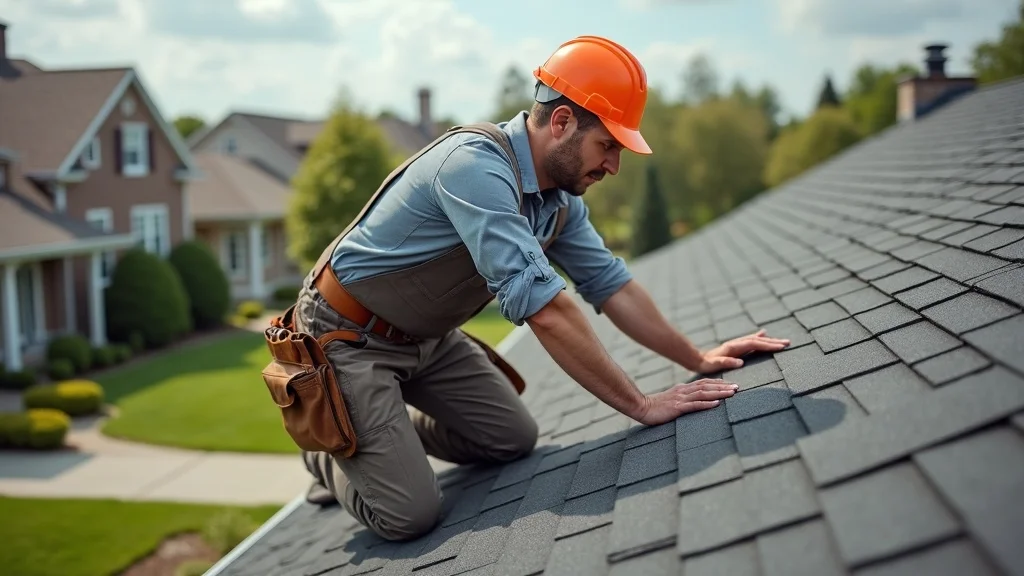
The world of residential roofing contractors is more complex—and high stakes—than most homeowners realize. While all contractors promise solid workmanship and beautiful finished products, the gap between “roofing contractor” and “roofing professional” is often more significant than it appears. In fact, national studies show that improper installation, shortcuts in project management, and lack of certification account for most roof failures, not the actual shingles or materials used. For Houstonians, where storms and heat test every roof to its limits, choosing the right contractor can mean the difference between a decades-long investment and a costly series of repairs. The modern roofing industry is crowded with independent installers, varying degrees of experience, and companies that range from highly credentialed professionals to fly-by-night operations. Whether you’re facing urgent roof repair, planning a full roof replacement, or simply want to avoid future headaches, understanding how residential roofing contractors operate is your first line of defense.
70% of premature roofing failures are due to improper installation―not materials?
You’ll discover why contractors certified by GAF are trusted to offer our strongest guarantees and warranties, learn which roofing materials truly impact price and performance, and get a behind-the-scenes look at how industry insiders spot risks before the first shingle is nailed down. Whether you’re seeking a roofing contractor for your next project or want knowledge to protect your home’s value, this dossier reveals the must-know details and smart questions every homeowner should be asking before signing any contract.
What Qualifies Residential Roofing Contractors?
Trust is not given lightly in the roofing world. When looking for residential roofing contractors, most homeowners look for credentials, but may not fully understand what those seals and certificates really mean. Not all licensing or certifications are created equal—especially when it comes to guaranteeing workmanship and material longevity in demanding climates like Houston. Contractors certified by GAF and other industry leaders undergo ongoing education, background checks, and must uphold standards that ensure your roofing investment is protected.
The process of becoming a professional independent installer involves rigorous training not just in product application, but also in safety procedures, code compliance, and customer service. Companies that work with the largest roofing manufacturer (GAF is North America’s leader) are often trusted to offer our strongest guarantees and warranties, giving you peace of mind long after your project is complete. Identifying roofing contractors with meaningful credentials is your best safeguard for quality and longevity—your roof’s performance tomorrow is determined by today’s contractor choice.
Certifications: What Does It Mean to Be Certified by GAF?
Understanding contractors certified by GAF: a mark of trust
The “certified by GAF” badge is more than just a sticker or online logo. GAF is North America’s largest roofing manufacturer, and their certification is earned only by contractors who complete in-depth, hands-on training about the latest installation best practices. GAF-certified professionals must pass regular background checks, maintain a strong local reputation, and are vetted to ensure they can offer the strongest guarantees and warranties in the business. Only these trusted contractors can offer exclusive warranty coverage directly from GAF, providing an extra layer of protection for your investment—well beyond what a general roofer or non-certified installer can provide.Common industry certifications reputable roofing contractors should hold
Beyond GAF, top residential roofing contractors often hold certifications from other roofing manufacturers (like CertainTeed or Owens Corning), and are registered with local/state authorities. Look for membership in recognized trade organizations such as the NRCA (National Roofing Contractors Association), license verification with your municipality, and evidence that their insurance is up-to-date and covers both property damage and worker’s compensation. Remember, true credentials are earned through performance and ongoing education, and reputable roofing contractors are proud to show you documentation if you ask.
The Role of Roofing Professionals in Ensuring Long-Term Protection
What sets a professional roofing contractor apart from the rest?
The difference between a typical “roofing contractor” and an elite roofing professional is expertise and accountability at every stage of your roof replacement or roof repair. Professionals use only top-quality roofing materials, follow precise installation protocols, and manage projects to avoid costly mistakes that reduce the roof’s lifespan. In Houston, where storm damage risk is high and every roof faces the Texas sun, a professional’s approach includes careful ventilation, moisture barrier installation, and expert flashing around all penetrations (vents, chimneys, skylights). This attention to detail means fewer warranty claims and far better protection for your family and your home.How project management and expert installation change outcomes
Even the best shingles or metal roof will fail if installation is rushed, sloppy, or not supervised by a dedicated project manager. Leading roofing contractors provide a single point of contact who oversees the job from start to finish: scheduling crews, troubleshooting problems, and conducting a final walk-through to ensure everything meets manufacturer—and homeowner—standards. This level of oversight delivers not just a smoother process, but superior results and warranties that are honored when needed.
Roofing Materials: More Than Just Asphalt Shingles
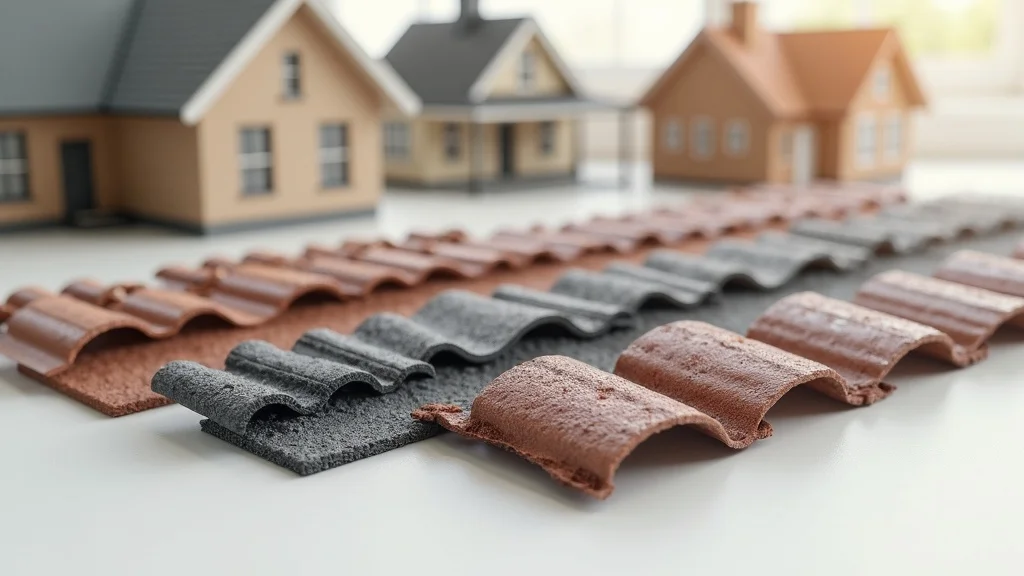
Too often, homeowners think a new roof means picking between “regular” and “premium” shingles. In reality, residential roofing contractors have access to a full spectrum of roofing materials, each affecting your investment, home appearance, value, and durability. Choices include the classic asphalt shingles but also modern options like metal roofs, clay or concrete tile, and composites engineered for specific climates and design needs. A skilled roofing contractor will walk you through the types of roofing materials suited to your property, weighing everything from energy efficiency and storm resistance to local code requirements. What you select will impact not only the immediate installation costs, but also your maintenance schedule, resale value, and future comfort.
Understanding Types of Roofing Materials with Residential Roofing Contractors
Roofing Material |
Lifespan |
Key Advantages |
Common Use Cases |
|---|---|---|---|
Asphalt shingles |
15–30 years |
Cost-effective, easy to install |
Most residential roofs |
Metal roof |
40–70 years |
Durable, energy-efficient |
Modern homes, severe climates |
Tile |
50+ years |
Fire-resistant, classic look |
Spanish-style architecture |
Composite |
30–50 years |
Lightweight, eco-friendly |
Varied design preferences |
How Roofing Materials Influence Roof Replacement Timeline and Costs
Typical roof replacement durations by material:
The type of roofing material you choose has a direct impact on project timelines and long-term value. Asphalt shingles can often be installed in just one to two days, making them ideal for quick-turnaround roof replacement. Metal roofs and tile installations, while offering superior longevity and energy efficiency, typically require additional labor and specialized skills—extending install time to three to five days or longer for larger, complex roofs. Understanding your home’s square footage, roof pitch, and local permitting processes can help set realistic expectations for your installation schedule. Your roofing contractor should provide a clear timeline—and stick to it.How lifecycle costs affect the longevity and value of your investment:
It’s easy to focus solely on the upfront price tag, but true cost is measured over the lifespan of your roof. Premium options like metal roof or high-grade composite may seem costly, but they reduce maintenance, energy bills, and replacement cycles. Your roofing contractor should help weigh initial costs against total ownership costs, including manufacturer warranties, potential insurance discounts, and labor guarantees.
Choosing the Right Residential Roofing Contractor: Essential Steps
Factors to vet when selecting roofing contractors:
Choosing among roofing contractors can be overwhelming, but focus on the essentials: Are they licensed, insured, and certified by GAF or other manufacturers? Do they offer manufacturer-backed warranties and have a solid local track record? Always conduct a background check and verify references or online reviews to validate their reputation as a trustworthy roofing contractor in your region.Importance of transparent quotes and clear communication:
Reputable contractors explain every step, from roof evaluation to project cleanup. Expect an itemized quote, details about roofing materials, and a clear schedule. Avoid any contractor unwilling to answer questions or provide documentation—it’s a red flag.Why dedicated project managers matter in roof replacement and repair:
Your dedicated project manager is your advocate: they schedule work, answer your concerns, and make sure the entire team follows through to the letter. This reduces miscommunication and guarantees your roof replacement or roof repair is done right the first time.
"If your contractor doesn’t mention ventilation or ongoing maintenance, keep looking."

Residential Roofing Contractors vs. Storm Damage: What Houston Homeowners Should Know
Kainos' commitment: Impact-resistant roofing solutions and rapid-response service
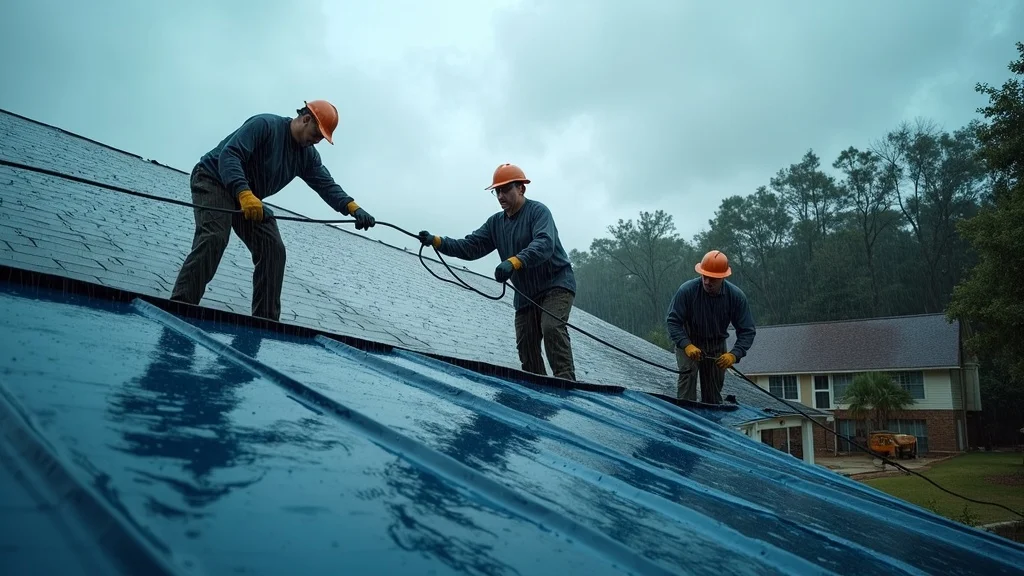
Houston’s storm season brings high winds, hail, and the constant threat of roof leaks. Leading residential roofing contractors—like Kainos—offer specialized, impact-resistant roofing materials and trained rapid-response crews on call for emergency tarping and fast repairs. This is crucial when seconds matter to protect your home's structure and belongings.What makes a roofing contractor storm-ready?
Not all contractors are equipped for urgent storm restorations. True pros have emergency protocols, standing insurance relationships, and crews available 24/7 for disaster response. Their process includes immediate assessment, temporary protection (like emergency tarping), and close management of insurance paperwork—followed by full, permanent roof replacement when the weather passes.Typical storm restoration process: From emergency tarping to full roof replacement
After a storm, a storm-ready contractor will arrive quickly to secure your property with protective tarps, preventing further water infiltration. Then they’ll document all damage for your insurance company and guide you through every step: adjuster visits, claim submission, and completing all repairs or replacement in line with local building codes and manufacturer standards.
Red Flags: Telltale Signs of Unreliable Residential Roofing Contractors
Lack of certification: Beware contractors not certified by GAF
If your “roofer” isn’t certified by GAF or cannot show proof of current licenses and insurance, be cautious. Certification is a critical trust signal, proving a contractor meets manufacturer standards and can offer valid, enforceable warranties.Ambiguous warranty terms or hidden fees
Always request a copy of the warranty documents before you sign anything. Reputable roofing contractors explain the difference between manufacturer labor/material coverage and their own work guarantee. If a contractor is vague about coverage, exclusions, or presents confusing fee structures—move on.Poor online reputation or inconsistent project management
Reading reviews isn’t just for peace of mind—it’s critical for exposing patterns of missed appointments, unfinished jobs, or unresolved complaints. If multiple past clients mention “project isn’t complete” or delays in communication, weigh your options carefully.
"The biggest roofing risk isn’t storms—it’s uncertainty about who’s doing the work."

People Also Ask: Unveiling Cost Secrets and Industry Truths
How much does it cost to re-roof a 2000 ft house?
Factors impacting cost: The cost of re-roofing a 2,000 sq. ft. house depends on roofing materials (asphalt shingles vs. metal roof), labor, need for tear-off, roof pitch, and complexity. For asphalt shingles, national averages range from $7,000–$12,000; metal roofs or designer materials can push costs to $20,000–$40,000 or more. In Houston, expect pricing to reflect both regional labor rates and weather-specific upgrades like venting and storm protection.
What is the average cost of a new roof in Arkansas?
Regional pricing for residential roofing contractors in Arkansas: Prices are typically lower than national averages due to reduced labor rates and material costs. For a standard 2,000 sq. ft. home, expect $6,000–$10,000 for asphalt shingles, with premium options increasing total costs. Factors like the size of the roof, material upgrades, and the contractor’s reputation can cause significant price variation.
How to tell if a roofer is lying?
Common deception tactics in roof replacement: Watch for vague answers about installation details, reluctance to show certifications, or insisting on large cash deposits up front. Always ask: “Are you certified by GAF?” and “What does your warranty cover?”; honest contractors will offer documentation and transparent, written estimates before work starts.
Is $30,000 too much for a roof?
How scope, material, and region affect premium roof replacement pricing: While $30,000+ can sound high, complex jobs—such as custom metal roofs, steep pitches, or high-end composites—may legitimately reach this range. Factors include roof size, chosen roofing material, demolition needs, and Houston’s local codes. Always get at least three quotes and ensure each includes the same grade of roofing materials and scope of work for true comparison.
The Value Proposition of Professional Residential Roofing Contractors
Personalized service from dedicated project managers
Complete exterior solutions—roofing, windows, gutters—under one roof
Market-leading warranties and transparent pricing structures
Comprehensive storm protection offerings tailored for Houston
Technology-driven service: digital estimates, detailed documentation
FAQs: Answers from Residential Roofing Contractors
What warranties do residential roofing contractors typically offer?
Most top contractors provide both manufacturer warranties (covering roofing materials for 20–50+ years) and labor warranties on workmanship (typically 2–10 years). Only certified by GAF contractors can offer extended, “lifetime” warranties directly backed by the manufacturer, ensuring you’re protected if the installer leaves the business.What are the warning signs that I need a new roof?
Call for inspection if you see missing/broken shingles, curling or granule loss on asphalt shingles, water stains in the attic, stained soffits, or recent storm damage. Prompt roof repair can often extend life, but a full roof replacement is smarter if multiple issues appear at once.How often should my roof be inspected by a certified professional?
In Houston’s climate, a professional check every 12–18 months is recommended—or immediately after severe weather. Certified by GAF contractors will offer inspection and maintenance plans tailored to your roof’s materials.What should I expect during a roofing project timeline?
After your initial consultation, expect: Material delivery (1–2 days before), removal of old roofing (day 1), new installation (1–5 days depending on material/type of roof), cleanup and inspection. Your contractor should confirm the schedule and be available for questions throughout.
Key Takeaways for Houston Homeowners Hiring Residential Roofing Contractors
Not all residential roofing contractors are equal―certification and communication are non-negotiable.
Material selection (from asphalt shingles to metal roof) has a long-term impact on cost and safety.
Trust in contractors who explain their process and offer transparent documentation.
For storm-prone areas like Houston, prioritize contractors with emergency response and storm restoration expertise.
Why Homeowners Trust Kainos: Local Leadership in Residential Roofing Contractors
Kainos’ all-in-one home protection packages: Get roofing, windows, gutters, siding, and storm protection managed seamlessly by dedicated project specialists, all under one trusted name.
Trusted by Houston families for professionalism, transparency, and speed: Kainos’ reputation is built on responsive communication, quick turnarounds, and jobs done right—the first time and every time.
Proven project management: From initial quotes to final inspection: Every client enjoys a clear process, a single point of contact, and detailed documentation before, during, and after installation.
"Building trust, protection, and lasting value: That’s Kainos Roofing & Exteriors’ promise to every homeowner."
Ready to Transform Your Home?
Call Kainos to discover how our Home Guardian Services can increase the value of your home. (713) 487-5255
Remember:
Choosing the right residential roofing contractor is your greatest protection for home, comfort, and investment—start with education, demand transparency, and trust proven local leaders like Kainos when you’re ready.


Write A Comment