Add Row
Add Element
Guardian Home Network Shield and Logo
UPDATE
Add Element
Add Element
  • Home
  • Design & Curb Appeal
    • Painting
    • Landscaping & Outdoors
    • Windows & Doors
    • Lighting & Fixtures
  • Home Systems
    • Roofing
    • Plumbing
    • HVAC
    • Electrical
  • Remodel & Renovate
    • Design Ideas
    • Kitchen & Bath
    • Additions & Conversions
    • Whole Home
    • Flooring
  • Guides & Tools
    • Homeowner Checklists
    • Hiring a Pro
    • Cost Calculators
    • Warranty & Insurance
  • Fix & Maintain
    • Handyman Tips
    • Seasonal Checklists
    • Disaster Restoration
    • Maintenance Guides
  • Smart & Sustainable
    • Smart Home
    • Home Security
    • Solar & Energy Efficiency
    • Upgrades
  • News & Trends
    • Trade News
    • Regulations & Codes
    • Seasonal Trends
    • Product Reviews
November 18.2025
1 Minute Read

Stop Waiting—Roof Repair Houston Solutions Save You Today

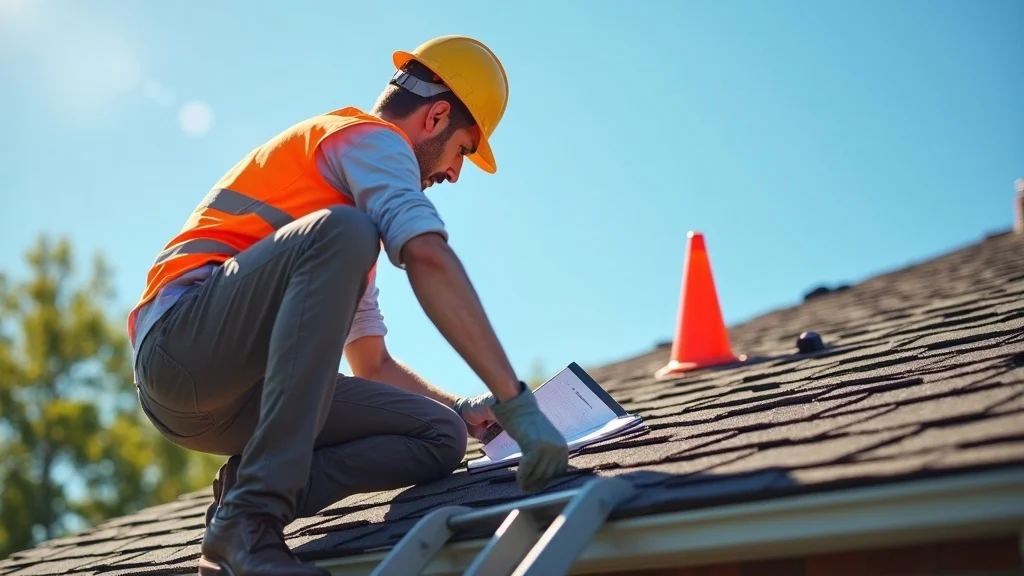
roof repair Houston, experienced roofer and homeowner inspecting rooftop in suburban Houston under partly cloudy skies, highlighting roof durability and maintenance

Jimmy Vitulli's Core Insight: The Roof Repair Houston Risk Dilemma Every Owner Must Know

"It's really tough to know for most people, even many roofing contractors, whether to repair or replace a roof. Some say it could last a few more years, but it depends on your risk tolerance." – Jimmy Vitulli, Kainos Roofing & Exteriors

When facing the decision of roof repair Houston services, most property owners—and even many in the trade—feel immense uncertainty. According to Jimmy Vitulli of Kainos Roofing & Exteriors, the real challenge is distinguishing between short-term fixes and long-term durability. Many homeowners expect a clear-cut answer from contractors about just how many more years their existing roof will last, but Jimmy stresses that this is rarely a black-and-white call. The lifespan of a roof is influenced by multiple factors: age, weather exposure, previous maintenance, and, critically, your personal appetite for risk.

Most people approach roof repairs as they would with an aging car—some sell at 100,000 miles for peace of mind, while others try squeezing 250,000 out of their investment. Jimmy emphasizes that your approach to roof repair in Houston should be equally tailored: "If you want to gamble on squeezing a few more years from a tired roof, you must be prepared for the possibility of costly leaks and attendant damage the longer you wait." For Houston homeowners, this means viewing the roof not just as a static asset, but as a dynamic protector of your property whose life and value are directly shaped by how you tend to it.

Balancing Risk and Reward: When to Repair or Replace Your Roof

"If you wait too long replacing your roof, small leaks can cause wet insulation, mold, or sheetrock damage. Routine maintenance can extend your roof’s life significantly." – Jimmy Vitulli

According to Jimmy, delaying roof repair Houston can lead to a cascade of problems that ripples far beyond a few lost shingles. Water infiltration from neglected leaks doesn’t just stay above the ceiling—it seeps into insulation, spawns mold, and ruins drywall. This means what might have been a simple repair transforms into a multi-thousand-dollar remediation project. The real expertise in roofing, Jimmy contends, is knowing how to intervene before problems escalate, and this starts with actively scheduling routine inspections and small repairs.

At the same time, overzealous replacement isn’t always the right call. Jimmy Vitulli’s advice to Houston homeowners and facility managers is clear—invest in regular maintenance to increase the lifespan of existing roofing materials. This includes targeted fixes such as swapping out damaged shingles or recaulking exposed fasteners. By building a proactive strategy around roof health, you not only avoid nasty surprises but also maximize your return on every dollar spent, all while deferring the massive outlay of a premature full replacement.

  • Replace damaged shingles promptly

  • Recaulk exposed and top nails to prevent leaks

  • Clear debris from gutters and roof surfaces

  • Schedule roof inspections annually

  • Ensure proper attic ventilation to avoid moisture buildup

Key Roof Repair Houston Maintenance Practices for Long-Term Durability
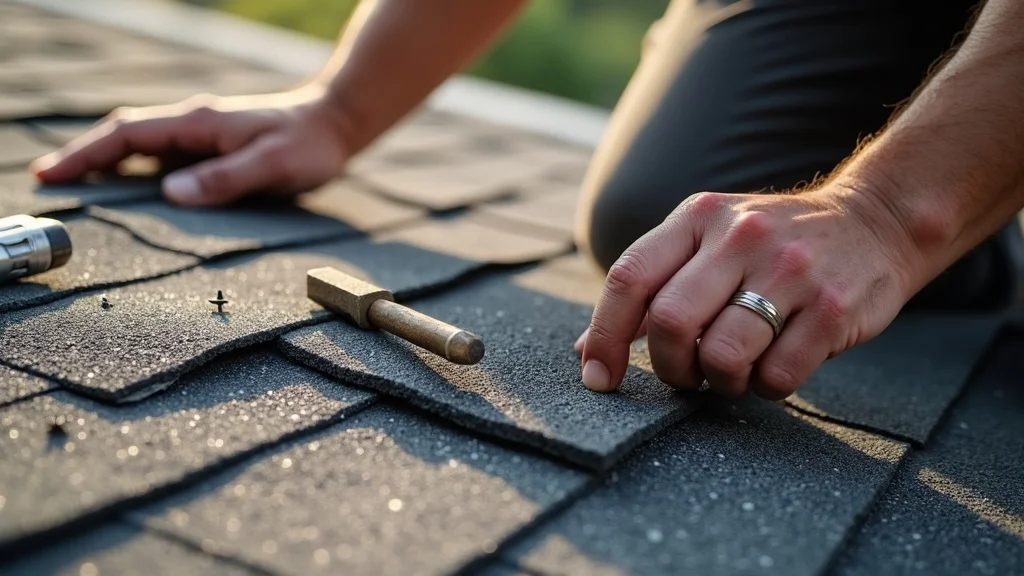
roof repair Houston, shingle repair in progress with focus on roofer’s hands, tools, and sunlit rooftop surface, highlighting long-term durability

"A healthy roof can last 20 to 30 years if regularly inspected and maintained, much like you would service a vehicle." – Jimmy Vitulli

In the Houston climate, roofs battle scorching sun, humidity, and sudden downpours. As Jimmy underscores, the path to long-term durability isn’t mysterious—it’s systematic. The key, he insists, lies in building a relationship with your roof, similar to how responsible vehicle owners service their cars at regular intervals. This means that scheduling annual roof inspections isn’t a luxury—it's foundational. Such inspections catch minor problems (like cracked shingles or clogged gutters) before they become structural failures.

Jimmy advocates for a holistic roof care program—one that integrates minor repairs with larger preventive strategies. One overlooked yet powerful tactic? Proper roof ventilation. Inadequate ventilation traps heat and humidity, which can accelerate the deterioration of roof materials and create the ideal breeding ground for mold. According to Jimmy, prioritizing ventilation and regular maintenance can be the difference between a 15-year roof and a 30-year one in Houston’s challenging environment.

Inspection and Ventilation: Critical Factors Too Often Overlooked

  1. Annual roof inspections for early problem detection

  2. Check soffit vents and exhaust ventilation for blockages

  3. Utilize roof rejuvenation products to extend lifespan by 5 to 15 years
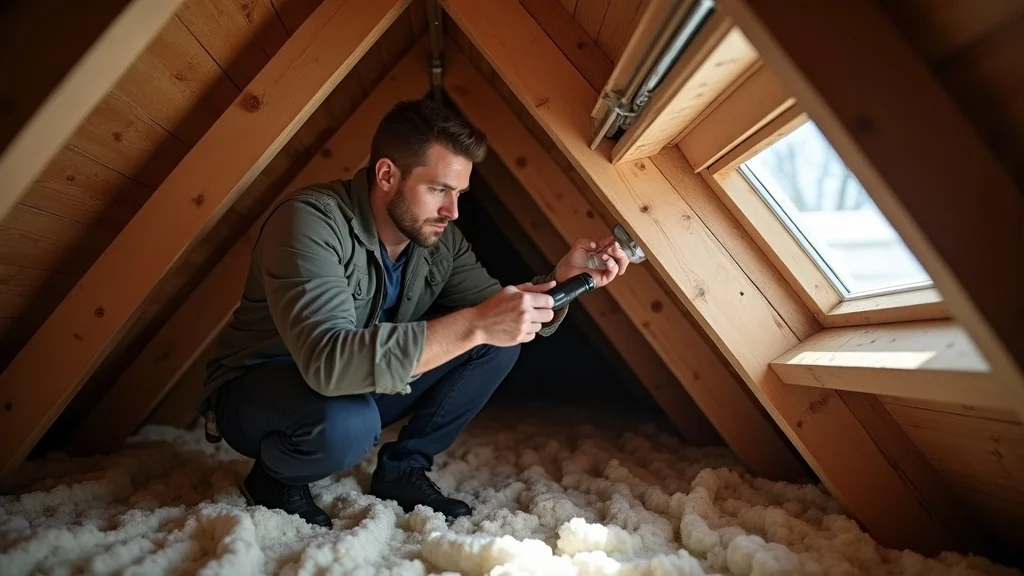
attic ventilation inspection for roof repair Houston, roof inspector examining soffit vents and attic airflow system, showing roof maintenance inside a finished attic

While many Houston homeowners fixate on shingle color or aesthetics, Jimmy notes that the real longevity gains come from what’s beneath the surface. Annual inspections identify risks before they impact your wallet—it’s about early detection, not just repair. Checking that soffit and exhaust vents are clear of blockages is a simple step with oversized benefits: it prevents moisture buildup, which is the root cause of much unseen roof and attic damage.

Jimmy also introduces a cutting-edge roof rejuvenation product, which—when professionally applied—can extend a Houston roof’s lifespan by 5 to 15 years. This approach realizes significant cost savings by pushing back the date for full replacement without compromising on structural integrity. Such forward-looking products and strategies enable savvy property investors and homeowners alike to outmaneuver Houston’s extreme weather cycles while extracting maximum value from their existing roofs.

Understanding Shingle Condition and Insurance Impacts on Your Houston Roof Repair

"When shingles become brittle and crack during repairs, it can cause more damage. Sometimes it makes sense to invest in repairs rather than replacements, depending on granular loss and roof condition." – Jimmy Vitulli

For Jimmy, shingle condition is the single most important indicator for deciding between repair and replacement. As Houston roofs age, granule loss and UV exposure leave shingles brittle, making even gentle manipulation during repairs risky. Once repair work starts causing more harm than good, the calculus shifts. But Jimmy urges homeowners to set aside the notion that bigger is always better—sometimes an affordable targeted repair on a roof with moderate wear adds years of serviceable life.

He recommends that homeowners evaluate the true cost-benefit equation: Is it smarter financially to spend $750–$2,000 on strategic repairs and squeeze another five years out of your roof, or does the extent of shingle brittleness tip the decision in favor of a full replacement? According to Jimmy, there’s often real economic value in well-executed shingle repairs—especially when weighed against the immediate and long-term outlay involved in installing an entirely new system.

Cost-Benefit Analysis: Repair Expenses Versus Replacement Incentives
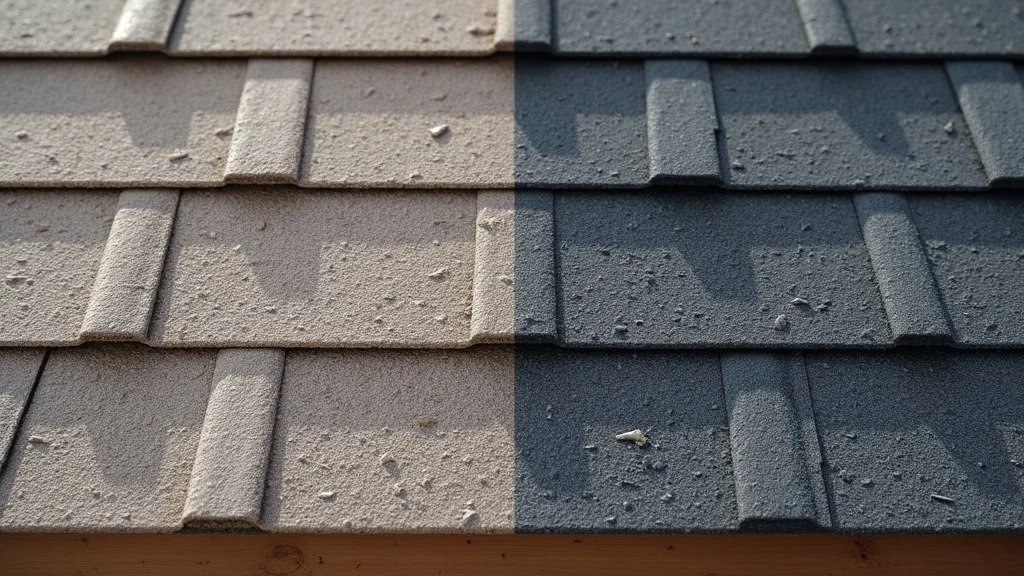
roof repair Houston, side-by-side comparison of aged brittle shingle and new impact-resistant shingle, showing granular loss and material differences

Houston’s dynamic market means property owners and managers must weigh not only the immediate costs of repair versus replacement, but also the potential financial incentives at stake. Jimmy highlights that while a new, impact-resistant Class 3 or Class 4 roof can lower insurance premiums significantly, these upfront savings must be balanced against the cost of installation. For some, particularly those whose homes have several years of roof life remaining, a comprehensive repair—and a few more insurance cycles—may be the best return on investment.

Working closely with your insurance provider is, in Jimmy’s view, part of a winning roofing strategy. The often-overlooked advantage of professional inspection and routine documentation is that such evidence can even help reverse insurer mandates for full replacements, securing savings not just now but for years to come. Strategic repair and documentation by an expert roofer grants Houston property owners a powerful negotiating tool when facing rising insurance demands or escalating premiums.

Insurance Discounts & Challenges with Roof Replacement Requirements

"New Class 3 or 4 impact-rated roofs may earn insurance discounts, but some insurers require replacements. Inspections and maintenance can help overturn those mandates, saving money." – Jimmy Vitulli
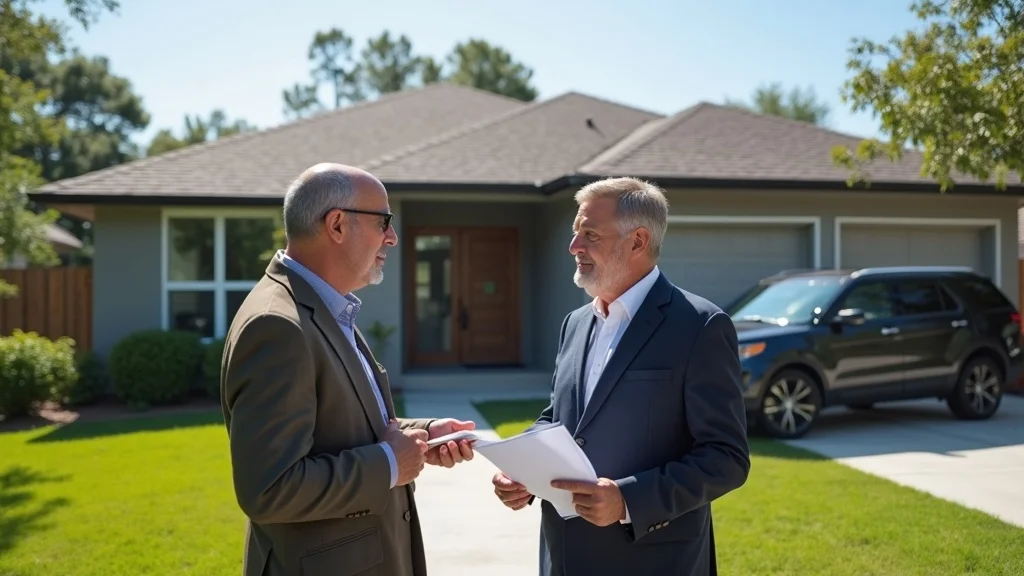
roof repair Houston, insurance agent and homeowner reviewing new impact-resistant roof for insurance discount eligibility

According to Jimmy, insurance companies are increasingly scrutinizing roof ages and sometimes even denying coverage until replacements are completed. But here’s an aha moment: Not all insurance recommendations are final. Jimmy recounts multiple cases where his company’s inspections and robust repair documentation helped clients overturn forced replacement requirements. By demonstrating the functional integrity of the roof through professional maintenance, Houston homeowners can often protect both their roof and finances.

For those considering installing a new roof, Jimmy recommends opting for the latest impact-rated materials, as these not only deliver durability in Houston’s unpredictable weather, but also appeal to insurers offering premium reductions. Ultimately, staying proactive with roof maintenance and fiercely advocating on the insurance front lets you retain control—saving thousands while maximizing property value.

Maximizing Your Roof Repair Houston Investment: Expert Takeaways

  • Understand your personal risk tolerance before deciding on repair or replacement

  • Adopt routine maintenance programs to extend roof life

  • Schedule yearly inspections with a trusted roofing expert

  • Ensure proper ventilation to prevent moisture damage

  • Leverage insurance incentives but prepare to advocate through inspection documentation
roof repair Houston, inspector using tablet and checklist for comprehensive annual roof inspection, reinforcing maintenance best practices

Summary: Strategic Roof Repair Houston Decisions Protect Your Property’s Value

"Maintaining your roof proactively protects your investment, keeps your property safe, and can save you insurance costs in the long run."

– Jimmy Vitulli, Kainos Roofing & Exteriors

The expert perspective is that proactive maintenance—not reactive fixes—provides Houston property owners with the greatest leverage over both their asset’s lifespan and long-term costs. Jimmy Vitulli, of Kainos Roofing & Exteriors, consistently demonstrates that minor annual investments in inspections, ventilation checks, and strategic repairs lead directly to maximized return on investment, reduced insurance stress, and property values that hold strong even when adversity strikes. By controlling what you can today—maintenance, documentation, and insurance advocacy—you substantially minimize unforeseen risk tomorrow.

For general contractors, real estate brokers, and discerning homeowners alike, the lesson is unmistakable: Act early, act smart, and never underestimate the power of a well-maintained roof. Jimmy’s expert strategies highlight why Houston’s savviest operators depend on timely professional insights to stay ahead of both weather and insurance curveballs.

Take Action Now to Protect Your Roof’s Longevity and Your Property’s Value

The time to act is before obvious problems arise. Whether you own a single family home, manage large commercial real estate, or advise clients on property transactions, the principles outlined by Jimmy are universal: schedule regular roof inspections, implement routine maintenance, ensure proper attic ventilation, and maintain thorough documentation for insurance negotiations. Don’t wait for leaks or mandates—proactively partner with a trusted Houston roofing expert today to safeguard your investment and secure long-term peace of mind.

Ready to secure your property’s future? Contact Kainos Roofing & Exteriors for an expert roof repair Houston assessment and maintenance plan—protect your home, save on insurance, and maximize value, starting today.

Roofing

Write A Comment

*
*
Related Posts All Posts
12.07.2025

Class 3 vs Class 4 Shingles: Choosing the Best Option for Your Home

Update Class 3 vs. Class 4 Shingles: Making the Right Choice for Your Home As homeowners, safeguarding our properties from the elements is a top priority. In particular, roofs are our first line of defense against harsh weather. With hailstorms causing over $160 billion in damage in 2024 alone, choosing the right roofing shingles is essential. Two popular options are Class 3 and Class 4 shingles, each offering varying levels of impact resistance and protection against hail damage. Let's break down these options to help you make an informed choice. Understanding Impact Ratings: What They Mean for You The impact resistance of roofing shingles is rated by Underwriters Laboratories (UL), a globally recognized testing agency, using the UL 2218 standard. This standard simulates hail impacts by dropping steel balls of specified sizes from set heights onto the shingles. The results allow shingles to be classified from Class 1 (least durable) to Class 4 (most durable). In this scheme, Class 3 shingles withstand impacts from 1.75-inch hailstones, while Class 4 shingles hold up against 2-inch hailstones. This distinction is crucial when considering your roof's resilience to potential weather disasters. The Benefits of Class 3 Shingles Class 3 shingles stand out for their combination of affordability and moderate impact resistance. Here are their benefits: Cost-Effective: Class 3 shingles are often more affordable than Class 4 options, making them a suitable choice for budget-conscious homeowners looking for adequate protection against smaller or less frequent hail. Moderate Protection: Designed to absorb impact from hailstones as large as 1.75 inches, these shingles provide decent durability without breaking the bank. Versatile Designs: Many manufacturers, like GAF, offer a variety of aesthetic choices with Class 3 shingles, giving homeowners options that suit their style while maintaining solid performance. Why Choose Class 4 Shingles for Maximum Protection? If you live in an area prone to severe storms, Class 4 shingles might be the right investment for your home. Here's why: Superior Impact Resistance: Class 4 shingles can withstand the greater force of hail up to 2 inches, making them ideal for regions where large hail is common. This distinction can significantly reduce potential damage and repair costs. Insurance Benefits: Many insurance companies offer discounts to policyholders who opt for Class 4 shingles, leading to long-term savings that can outweigh the higher initial costs. Increased Durability: Generally, these shingles not only resist impacts but are also constructed to endure high winds and heavy rain, further extending their lifespan and reducing maintenance needs. Weighing Your Options: Choosing the Right Class for Your Home The decision between Class 3 and Class 4 shingles hinges on your specific needs and local climate. If your home is in an area with infrequent hail or mild weather, Class 3 shingles provide reliable protection at an appealing price point. On the other hand, homeowners situated in severe weather zones should consider the added benefits of Class 4 shingles. Actionable Insights: Steps to Take Next When deciding on roofing materials, it's crucial to consult with local experts. Professional roofers can conduct thorough assessments of your property's specific needs and provide tailored recommendations. Additionally, consider your long-term maintenance plans and potential insurance savings when making your selection. Keeping Your Home Protected: A Call to Action Don’t leave your home exposed to the elements! Contact Kainos Roofing & Exteriors at 713.487.5255 to find out how to protect your investment with quality roofing solutions designed for longevity and performance. Embrace the peace of mind that comes with a well-crafted roof.

12.05.2025

Why You Should Consider Torch Down Roofing for Your Flat Roof Needs

Update Understanding Torch Down Roofing: A Smart Choice for Homeowners If you’re a homeowner, property manager, or multifamily dwelling owner, understanding torch down roofing is essential. This unique roofing method may offer the durability and reliability needed for your flat or low-slope roofs. Torch down roofing uses a handheld propane torch to heat and bond sheets of modified bitumen roofing material, creating a watertight seal that’s particularly beneficial in extreme weather conditions. Key Benefits of Torch Down Roofing Choosing torch down roofing comes with several significant advantages: 1. Exceptional Durability Modified bitumen roofing, the primary material used in torch down roofing, possesses remarkable flexibility thanks to the inclusion of polymers like SBS (Styrene-Butadiene-Styrene) and APP (Atactic Polypropylene). This flexibility allows it to withstand heavy precipitation, snow, and temperature shifts without cracking. Thus, whether you're battling extreme heat or dealing with icy winters, torch down roofing can handle it all. 2. Superior Water Resistance One of the standout features of torch down roofs is their water resistance. During installation, the heating process bonds the membranes together, creating a seamless barrier against water infiltration. This feature is especially vital in flat and low-slope roofs where ponding water can lead to leaks. With multiple layers providing redundancy, torch down roofing systems ensure that even if one layer suffers damage, the others continue to offer protection. 3. Energy Efficiency Energy efficiency is another critical benefit of torch down roofing. The granulated cap sheet reflects UV rays, reducing heat absorption and helping to keep your building cooler. This can result in lower utility bills, particularly during hot summer months. Additionally, the insulation layer contributes to regulating temperature, making your home more comfortable year-round. The Installation Process Installing torch down roofing requires a specialized skill set due to the use of an open flame. Following careful preparation, including cleaning and drying the surface, professionals lay down a vapor barrier and insulation before applying the roofing layers. The heating process involves rolling out the modified bitumen and using the torch to bond each layer securely. This method not only ensures a watertight seal but also highlights the importance of using trained professionals for installation. Costs and Longevity The cost for torch down roofing typically ranges from $4 to $10 per square foot depending on the complexity and layering of the system. Despite being a more significant upfront investment than alternatives like roll roofing, the lifespan of a torch down roof—typically 15 to 30 years—along with its low maintenance requirements, makes it a cost-effective choice in the long run. Torch Down vs. Other Roofing Options When considering roofing options, many property owners compare torch down roofing to traditional roll roofing or built-up systems. While roll roofing may be cheaper initially, it lacks the durability and longevity of torch down roofing. The initial higher cost of torch down roofing often leads to fewer repairs and a better return on investment over its lifespan. Maintenance Tips for Torch Down Roofing Although torch down roofs are known for their low-maintenance nature, regular inspections can help prevent issues. Here are some proactive maintenance tips: Annual Inspections: Look for signs of wear, such as cracks or loose seams. Debris Clearance: Ensure leaves, branches, and dirt are regularly removed to prevent water pooling. Seal Penetrations: Regularly check and reseal areas around chimneys and vents to avoid leaks. The Perfect Fit for Your Property Torch down roofing is ideal for homes and buildings with flat roofs in areas facing severe weather conditions, making it a smart investment for enduring protection. If you’re considering upgrading your roofing system, contacting certified professionals is paramount, ensuring that your torch down roofing is installed correctly and safely. For expert help with your roofing needs, reach out to Kainos Roofing & Exteriors at 713.487.5255 for careful and professional service that will keep your home safe and secure.

12.05.2025

Unlocking the Best Option: Asphalt Shingle vs. Metal Roof for Washington Homes

Update Asphalt Shingle vs. Metal Roof: The Best Choice for Washington Homes Choosing the right roofing material is a critical decision for homeowners in Washington state. With both asphalt shingles and metal roofs available, understanding their advantages and drawbacks can help ensure your home is protected against the region's extreme weather conditions. Whether you favor aesthetics, cost-effectiveness, or longevity, this article will guide you through the essential points to consider when picking the right roof for your home. Cost Considerations: Initial and Long-Term Upfront Costs: A Deciding Factor In the Seattle-Bellevue area, upfront cost is often a major point of consideration for homeowners. Asphalt shingles generally remain the more affordable option at around $1.50 to $5.50 per square foot, making them accessible for budget-conscious projects. On the other hand, metal roofing typically ranges from $5.00 to $14.00 per square foot, significantly raising initial investment costs due to material and labor expenses. Homeowners must evaluate whether immediate savings or long-term investments better align with their financial strategy. Long-Term Value: It Pays to Look Ahead When it comes to lifespan, the durations of these two materials cannot be neglected. Asphalt shingles usually last about 15 to 30 years, requiring repairs or replacements due to their vulnerability to adverse weather conditions. In stark contrast, metal roofs can effortlessly survive up to 50 years or more, representing a more durable choice that ultimately proves cost-effective over time. This extended lifespan often results in fewer headaches for homeowners contemplating their replacement cycles. Performance Against Washington's Weather Rain, Moss, and Maintenance Responsibilities Washington's climate presents unique challenges, especially in terms of moisture retention. Asphalt shingles can adequately deflect rainwater if installed properly, yet they are susceptible to algae and moss growth, leading to potential long-term damage and maintenance burdens. Conversely, metal roofs are designed to shed water, limiting moisture accumulation and offering resistance against organisms that can damage the material. With regular maintenance, homeowners can prolong the life of both roof types, yet metal roofs generally demand less frequent attention. Wind and Other Weather Factors Wind resistance is a critical feature given Washington's gusty conditions. While architectural asphalt shingles can endure moderate winds when installed correctly, they may fail if there are weaknesses in the seal. Metal roofs, particularly those with concealed fasteners, provide superior resistance to harsh winds and severe weather, making them an appealing option for homeowners living in areas prone to storms. Energy Efficiency and Environmental Considerations Savings on Energy Bills Energy efficiency is another compelling factor in roofing material selection. Metal roofs, especially those with cool metal finishes, can reflect solar heat more effectively, thereby reducing indoor cooling demands. The U.S. Department of Energy highlights that such roofs can lower energy consumption by 10-15%. On the contrary, asphalt shingles absorb heat, leading to heightened energy costs during warmer months. This reduction in energy bills not only contributes to savings but also aligns with environmentally conscious practices. Environmental Impact and Recycling As the world becomes more aware of its environmental footprint, choosing eco-friendly materials is paramount. Metal roofing boasts a significant advantage in this arena as it is composed of recyclable materials. Alternatively, asphalt shingles contribute to landfill volumes when they are discarded—approximately 11 million tons of asphalt shingle waste is generated annually in the United States. Homeowners who prioritize sustainability may find metal to be the favorable option. Final Decision: Which Roof Type Best Suits You? Ultimately, your choice will depend on various personal priorities. If you want to minimize your immediate expenditures, asphalt shingles may be suitable. However, if you envision living in your home for decades and desire a roof that withstands the test of time with easy maintenance, metal might be your best bet. Individuals living in high-wind areas or those seeking to enhance energy efficiency would also benefit from considering metal roofing options. For personalized guidance tailored to your unique needs, consider reaching out to Kainos Roofing & Exteriors at 713.487.5255. Their expertise can help ensure you choose the perfect roofing material for your Washington home.

Terms of Service

Privacy Policy

Core Modal Title

Sorry, no results found

You Might Find These Articles Interesting

T
Please Check Your Email
We Will Be Following Up Shortly
*
*
*