
Weathering the Storm: A Homeowner’s Guide to Houston’s Unique Roofing Challenges (2026 Edition)
"Houston experiences more than 50 inches of rain annually, significantly outpacing the national average—which spells higher risks for roof damage." – National Weather Service
From heavy rain and high wind to intense UV radiation, the weather impact on roofs in Houston isn’t just a seasonal nuisance—it’s a serious threat to your investment
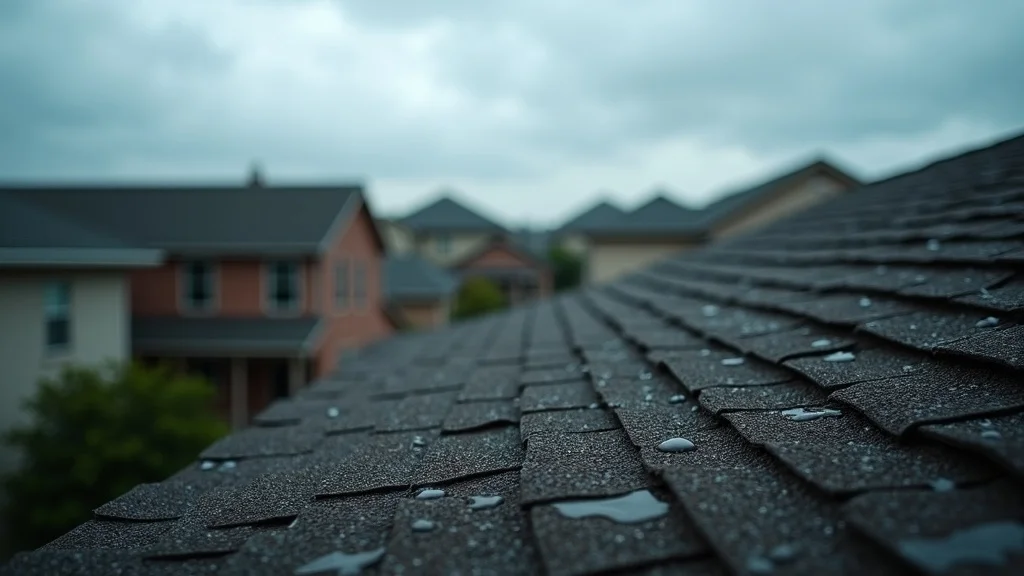
What You'll Learn About Weather Impact on Roofs in Houston
The unique climate challenges Houston roofs face
How various weather conditions accelerate roofing system wear
Best roofing materials for Houston's environment
Warning signs of weather damage to your roofing system
Costly consequences of neglecting weather impact on roofs
How Houston's leading experts recommend protecting your investment
Overview: Why the Weather Impact on Roofs in Houston Matters
Impact of fluctuating weather conditions
Frequency and severity of weather events in Houston
Intricacies of the Houston roofing system
With Houston’s unique climate, the weather impact on roofs in Houston is an ever-present concern for all property owners. Not only are homes exposed to the destructive power of heavy rain and high wind, but the region’s alternating high humidity, extreme heat, and intense UV radiation all work together to rapidly deteriorate typical roofing materials. Combined with sudden temperature swings and unpredictable storms, these weather conditions force Houston’s homeowners and commercial property managers to make tough choices about roof repair, replacement, and ongoing maintenance.
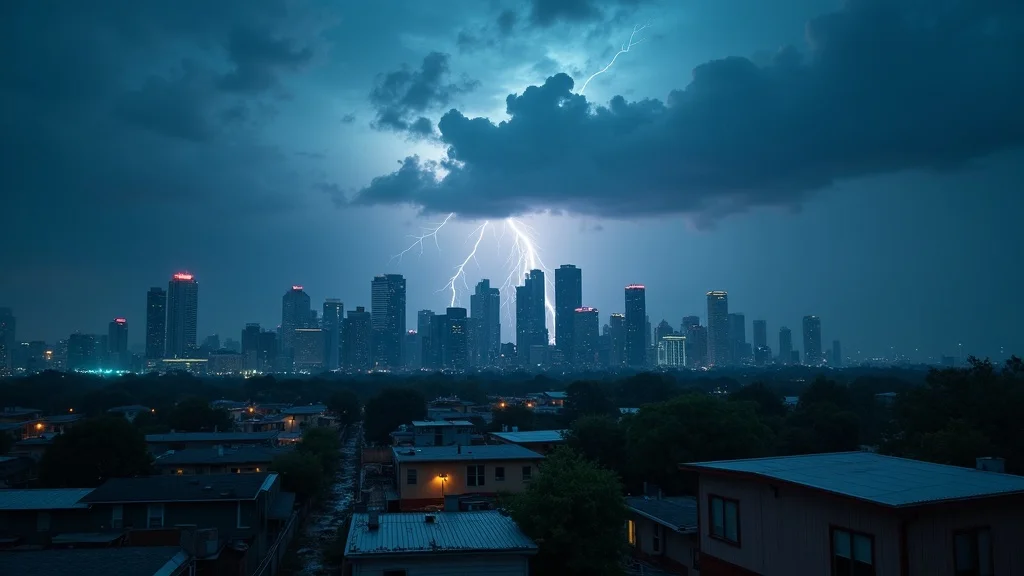
Key Weather Conditions That Affect Roofing Systems in Houston
Heavy Rain, Water Damage, and Your Roofing System
Role of heavy rain in water damage
How Houston's precipitation exacerbates water infiltration
Short- and long-term effects on roofing materials
Houston’s signature thunderstorms and near-constant rain events mean heavy rain is a top threat to every roofing system in the area. Intense precipitation places stress on shingles, seals, flashing, and seams, creating opportunities for water infiltration. Weak spots or pre-existing minor damage can quickly escalate into extensive water damage, leading to structural integrity loss and mold growth. In the short-term, leaks lead to interior staining and softening of roofing materials. Over time, repeated exposure to heavy rain accelerates roof material decay, causing asphalt shingles to curl, metal roofs to rust, and wood structures to rot. Homes and businesses with flat or low-slope roofs are especially vulnerable, as pooled water can find its way through even the smallest vulnerabilities in the roofing system. Costly repairs are common when regular maintenance is neglected—making vigilance critical for Houston homeowners.
High Wind Events and High Wind Damage in Roofing Systems
Prevalence of high wind in Houston
Impact on asphalt shingle and other roofing materials
Commercial roof risks during storms
High wind events—driven by hurricanes, tornadoes, or intense thunderstorms—are a familiar part of Houston’s weather profile. Strong winds can easily lift and tear away asphalt shingles, shatter tiles, and rip metal panels from commercial roofs. Even when the roof withstands direct wind pressure, wind-driven debris can puncture or scratch vulnerable surfaces. Commercial roofing systems often face even higher risk due to wide, flat expanses, making ballast, membrane, and seam integrity crucial. After storms, immediate roof inspection is advised to check for loosened roofing materials, exposed underlayment, and early signs of water infiltration. Ignoring wind-related issues can result in extensive roof repair or outright roof replacement, both of which carry a hefty price tag.
High Humidity, UV Radiation, and Their Effects on Roofing Materials
How high humidity promotes mold & mildew
UV radiation and its accelerated aging effect on asphalt shingles and roofing materials
Comparing material resilience
Houston’s year-round high humidity makes the city notorious for rapid mold, mildew, and algae growth on roofs—these organisms break down organic material and stain roofing systems, leading to long-term damage. Add to that the impact of intense UV radiation and high temperatures: asphalt shingles and many roofing materials expand and contract, causing warping, cracking, and granule loss. UV rays accelerate the aging process, making many standard roofs look and function far older than their actual age. While metal roofs and tile roofs generally outperform traditional asphalt in UV resistance and humidity challenges, every Houston homeowner must consider these elements when choosing roofing materials and scheduling regular maintenance.
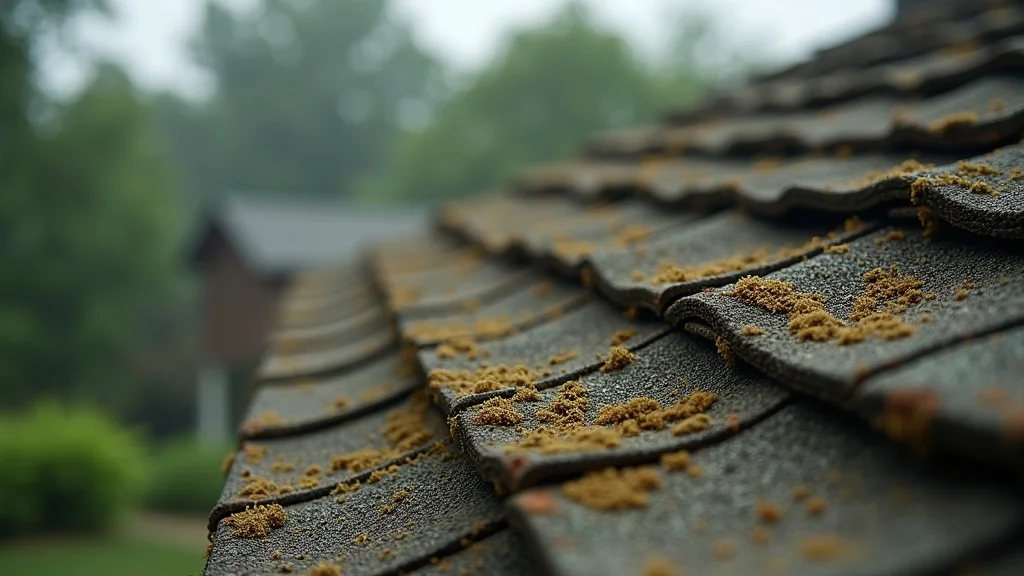
Table: Common Roofing Materials in Houston and Resistance to Weather Impact
Material |
Resistance to Rain |
Resistance to High Wind |
UV Protection |
Expected Lifespan |
|---|---|---|---|---|
Asphalt Shingle |
Moderate |
Low-Moderate |
Moderate |
15-20 years |
Metal Roofing |
High |
High |
High |
40-70 years |
Tile Roof |
High |
Moderate |
High |
30-50 years |
Flat Roofing Systems |
Low-Moderate |
Low |
Low-Moderate |
10-15 years |
Roof Replacement in Houston: Cost, Triggers, and Weather-Related Factors
When is roof replacement necessary due to weather impact?
Connection between weather conditions and frequent need for roof replacement
How to make informed choices between roofing system repairs vs. replacement
Determining when a roof replacement is unavoidable is a frequent concern among Houston homeowners and business owners. While roof repair can address minor or localized issues brought on by weather conditions, chronic leaks, recurring water damage, significant shingle loss, and extensive wear are all strong indicators it’s time for a new roofing system. Houston’s high wind events, relentless heavy rain, and cycles of extreme heat mean roofs here rarely reach the undisturbed lifespan advertised by manufacturers. Making an informed decision involves professional inspection, cost-benefit analysis of ongoing repairs versus a complete replacement, and selecting the best roofing materials for both short-term protection and long-term resilience. Ignoring advanced weather-induced deterioration will only escalate costs through emergency repairs and structural damage.
How Roofing Materials and Roofing Systems Respond to Houston Weather
Choosing the Right Roofing Material for Houston Homes and Commercial Roofs
Popular options: asphalt shingle, metal, tile
Cost vs. longevity vs. weather resilience
Selecting the right roofing material is the foundation for maximizing the lifespan of your roofing systems in Houston’s climate. Asphalt shingles remain popular due to affordability, though they generally offer moderate resistance to rain and low to moderate resistance to high wind and UV damage. Metal roofs—ranging from steel to aluminum—excel in high wind environments, offer superb longevity, and deflect most UV radiation. Tile roofs provide stellar rain and UV protection but can be susceptible to breakage in major storms. A professional roof inspection, paired with consideration for total cost of ownership, is critical for Houston homeowners and commercial property managers to make informed, future-proof decisions.
Signs of Water Damage and Weather-Accelerated Roof Repair Needs
Identifying water damage in roofing systems
When to seek roof repair or professional inspection
Spotting early warning signs of water damage is key to preventing small issues from snowballing into costly repairs or inevitable roof replacement. Look for curled, brittle, or missing shingles, dark water stains on ceilings or attic spaces, persistent leaks after rain, growth of mold or mildew along the roofline, and visible moss or algae. Houston homeowners should call for roof repair or a professional inspection at the first sign of trouble—especially after tropical storms, hail, or extended periods of high humidity. Small, proactive repairs can significantly extend the life of your roofing system and save thousands in avoidable damage.
Regular Maintenance: Essential for Minimizing Weather Impact on Roofs in Houston
Role of regular maintenance in extending the life of your roof
Best practices for Houston home and business owners
Checklist for professional inspection and regular upkeep
Regular maintenance isn’t just about appearances—it’s about extending the life and value of your investment, especially given the severe weather conditions in Houston. Schedule bi-annual professional roof inspections to identify early issues before they become emergencies. Houston home and business owners should keep gutters clear, trim branches back from the roofline, watch for windblown debris, and immediately address any water stains or suspected leaks. A simple upkeep checklist—inspection after major storms, cleaning algae/moss, and replacing minor damaged areas—will help minimize the long-term weather impact on roofs in Houston and keep your property safe and dry.
Expert Quotes: The True Cost of Ignoring Weather Damage to Your Roofing System
"Every year we see homeowners pay thousands more because minor weather damage was overlooked." – Kainos Roofing & Exteriors Expert
People Also Ask: Insights on the Weather Impact on Roofs in Houston
What is the life expectancy of a roof in Houston Texas?
Roof life expectancy variances by material in Houston's climate
How weather impact on roofs in Houston reduces longevity
In Houston, the expected life of a roof depends on the material and exposure to weather conditions. While asphalt shingles can last 15-20 years and metal roofs up to 70 years, heavy rain, UV radiation, and high wind tend to reduce lifespans by several years below the national average. High humidity can further degrade materials, meaning local residents often need roof replacement or roof repair sooner than expected.
How does weather affect roofing?
Explains the interplay between weather conditions and various roofing systems
Impact on required maintenance and repair cycles
Weather in Houston is a constant stressor for every roofing system. From the expansion and contraction of materials under extreme heat, to water damage from consistent heavy rain, to structural challenges imposed by high winds and humidity, all these factors combine to increase the frequency of roof inspection, necessary roof repair, and eventual replacement. Staying proactive with regular maintenance helps extend the life of your roof.
What is the new roof law in Texas?
Summary of statewide roof replacement legal updates
How the law aims to protect consumers from weather-related issues
Texas recently updated its roofing laws to demand higher standards of consumer protection. Contractors must now provide clear contracts, proof of insurance, and detailed warranties. Homeowners benefit by knowing what’s covered during roof replacement or repairs—especially after weather events. These updates help protect residents against fraudulent contractors and ensure roofing systems are built to withstand severe Houston weather.
Will insurance cover a 20 year old roof in Texas?
Coverage contingencies for roof damage due to weather impact on roofs in Houston
Factors that affect insurance payouts for older roofing systems
Insurance coverage for older roofs in Texas varies by policy, age, and maintenance history. Many insurers may reduce coverage or pay only a depreciated value for roof replacement on a 20-year-old roof—especially if prior weather impact or lack of regular maintenance is evident. Comprehensive documentation and prompt response after weather events can help maximize potential payouts.
Discover the must-have inspection steps every homeowner should follow after major Houston weather events—delivered by veteran Kainos Roofing professionals in this visual, step-by-step guide.
List of Pro Tips to Make Informed Roofing Decisions in Houston
Schedule regular professional inspections
Choose proven weather-resistant roofing materials
Act promptly at the first sign of water damage or roof damage
Budget for preventative maintenance rather than unplanned repairs
FAQs: Your Roofing System and Weather Impact on Roofs in Houston
How do I know if my roof needs replacement after a storm?
Look for missing shingles, visible leaks, interior water stains, or sagging. Call for a professional roof inspection to assess hidden damage.Are metal roofing systems better for Houston's weather conditions?
Yes—metal is exceptionally resistant to high wind, rain, and UV radiation, making it a strong long-term investment for Houston homes and commercial roofs.Can UV radiation shorten roof life in Houston?
Absolutely—UV exposure accelerates roof material breakdown, fading, warping, and loss of protective granules, especially in asphalt shingles.How often should I schedule a roofing inspection?
At least twice per year, and always after major storms or when signs of damage (like water stains) appear. Regular inspections help catch issues early.
Key Takeaways: Weather Impact on Roofs in Houston
Rapid weather changes in Houston demand resilient roofing systems
Ignoring professional inspection and regular maintenance magnifies costs
Choose the best roofing materials to extend the life of your Houston roof
Kainos Roofing & Exteriors leads Houston in proactive roof care
Protect Your Investment from Weather Impact on Roofs in Houston – Call (713) 487-5255 for a Professional Property-Value Risk Audit
Houston’s ever-changing skies demand vigilance and the partnership of a quality-driven, proven local roofer. Kainos Roofing does a lot more than roofs. In fact, we look out for your home in more than a dozen areas. Visit https://kainosroofing.com to learn more.
Don’t wait until it’s too late—stay proactive and protect your home’s value by staying ahead of Houston’s relentless weather impact on roofs.


Write A Comment