Add Row
Add Element
Guardian Home Network Shield and Logo
UPDATE
Add Element
Add Element
  • Home
  • Design & Curb Appeal
    • Painting
    • Landscaping & Outdoors
    • Windows & Doors
    • Lighting & Fixtures
  • Home Systems
    • Roofing
    • Plumbing
    • HVAC
    • Electrical
  • Remodel & Renovate
    • Design Ideas
    • Kitchen & Bath
    • Additions & Conversions
    • Whole Home
    • Flooring
  • Guides & Tools
    • Homeowner Checklists
    • Hiring a Pro
    • Cost Calculators
    • Warranty & Insurance
  • Fix & Maintain
    • Handyman Tips
    • Seasonal Checklists
    • Disaster Restoration
    • Maintenance Guides
  • Smart & Sustainable
    • Smart Home
    • Home Security
    • Solar & Energy Efficiency
    • Upgrades
  • News & Trends
    • Trade News
    • Regulations & Codes
    • Seasonal Trends
    • Product Reviews
September 14.2025
3 Minutes Read

Why Your Gas Furnace Won't Turn On: Common Causes and Solutions

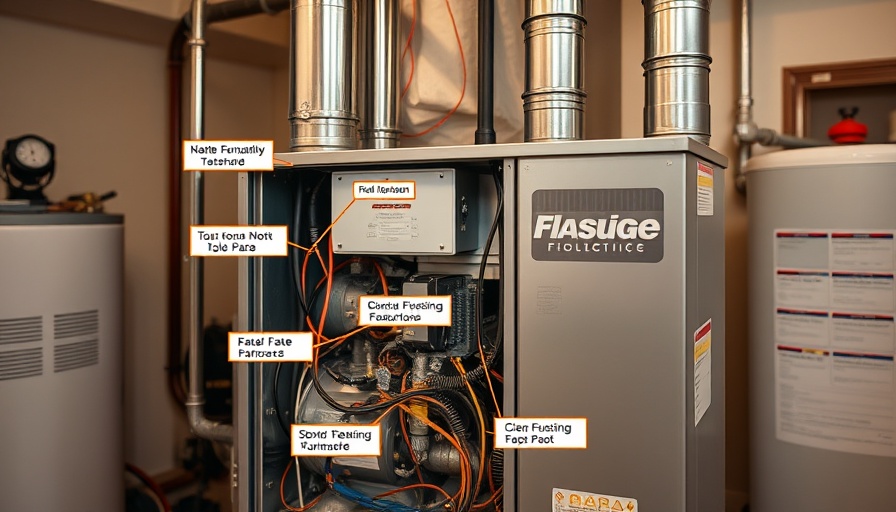
Gas furnace troubleshooting with components exposed.

Understanding Your Gas Furnace: A Homeowner's Guide

The Houston winter can bring a chill, making the reliable operation of your gas furnace essential. However, it's not uncommon for homeowners to face issues when firing up their furnaces for the first time each season. If your furnace is kicking on and off repeatedly, you may be experiencing a common problem that often goes overlooked.

In The Most Common Reason Why A Gas Furnace Won't Turn On, the discussion dives into the importance of maintaining your furnace, exploring key insights that sparked deeper analysis on our end.

Identifying the Common Problem: Dirty Flame Sensor

As you prepare to warm your home, one part of your furnace that plays a crucial role is the flame sensor. If it’s dirty, your furnace might ignite and then quickly shut off, leading to a frustrating cycle of repeated ignition attempts. The problem needs immediate attention not only to restore heating but also to maintain safety.

Sequence of Events in a Normal Start-Up

When your thermostat is set to heating mode, the first step should be the inducer motor kicking on, expelling exhaust fumes. Following this, the pressure switch will confirm that sufficient vacuum exists, allowing the process to continue. The hot surface igniter will then glow, ready to ignite the gas in the burner assembly. With everything functioning correctly, your blower motor will start, distributing warm air throughout your home.

Why a Flame Sensor Matters

The flame sensor is a safety device designed to ensure that gas is only released if there is a flame present. When the sensor is dirty, it cannot detect the flame, causing the gas valve to shut off, resulting in cool air blowing through your vents. If ignored, a dirty flame sensor can lead to costly repairs down the line.

DIY Cleaning of the Flame Sensor

The good news is that cleaning the flame sensor is a straightforward process and requires no specialized tools or professional assistance. First, ensure the power to the furnace is shut off to maintain safety. Then, locate the flame sensor, typically found near the burner assembly. A simple cleaning with a Scotch-Brite pad or even a dollar bill can clear any buildup that is causing the sensor to malfunction.

Steps to Restore Functionality

Here's a quick rundown of the steps:

  • Shut off the power to your furnace.
  • Remove the flame sensor by unscrewing it and disconnecting it from the wiring.
  • Clean the sensor, ensuring it is free from debris.
  • Reinstall the sensor and restore power to the furnace.
Once cleaned, your furnace should ignite properly without entering a lockout cycle.

Engaging a Professional: When to Call for Help

Sometimes, despite your best DIY efforts, a furnace may still have problems. In such cases, it may be time to contact professional HVAC services in Houston. Services can range from comprehensive inspection to urgent repairs, ensuring your heating system runs optimally. Look for licensed HVAC technicians in Houston to avoid further issues.

Finding Reliable HVAC Services in Houston

For homeowners needing assistance, knowing where to look matters. Researching the best AC companies in Houston can help you find reliable air conditioning contractors who also deal with heating systems. Invest some time in reading reviews or asking your neighbors for recommendations on trusted HVAC professionals.

Common Questions Homeowners Ask

First-time furnace repairers often have questions such as:

  • What should I look for in a Houston HVAC contractor?
  • Are there affordable HVAC services in Houston?
  • How can I choose the best air conditioning service in Houston?

These questions can guide your interactions when seeking professional help, ensuring you choose quality services that fit your budget.

Emergency HVAC Repair: Stay Prepared

Living in Houston means preparing for unexpected issues. Having access to emergency HVAC repair services can save you from discomfort during breakdowns. Many companies offer around-the-clock service, making it easier to handle heating crises while maintaining your home’s warmth.

In summary, understanding the workings of your gas furnace can significantly enhance your winter comfort, especially in a city like Houston, where seasonal chills can sneak up quickly. Knowing how to maintain a flame sensor can prevent larger issues from arising and might even save you money on repair services. As you ensure your home's warmth this winter, take charge of your furnace's well-being by grabbing those cleaning supplies and getting to work.

HVAC

Write A Comment

*
*
Related Posts All Posts
12.07.2025

Flushing Your Tankless Water Heater: Save Big and DIY Easily

Update Why Flushing Your Tankless Water Heater Matters Flushing your tankless water heater is more than just a chore; it’s a necessary step in maintaining the efficiency and longevity of your appliance. Many homeowners overlook this simple maintenance task, which can lead to costly repairs down the line. In Houston's humid climate, minerals can quickly accumulate in your water heater, affecting its performance. By taking a couple of hours to complete this DIY project, you can ensure your unit runs smoothly, saving you from unexpected breakdowns and expensive service calls.In 'Save $350 By Flushing Your Tankless Water Heater Yourself!', the discussion dives into essential maintenance tasks for homeowners, exploring key insights that sparked deeper analysis on our end. Tools You’ll Need to Get Started Before you embark on your flushing journey, gather the necessary tools. You’ll need: A quality submersible pump (around $30-70) Hoses for connecting the pump to the water heater At least 2 gallons of white vinegar for effective cleaning This initial investment pales in comparison to the hundreds you could spend hiring a professional for regular maintenance. The combo of a quality pump and vinegar ensures that your tankless water heater receives the care it needs without breaking the bank. Step-By-Step Guide to Flushing Your Heater Flushing a tankless water heater is surprisingly straightforward. Here’s how to do it: Turn off the power and gas supply to your water heater. Connect your hoses to the flush valves. Fill a container with 2 gallons of vinegar and place the pump inside. Open the flush valves and start the pump, allowing the vinegar to circulate through the system. After about 1.5 to 2 hours, turn off the pump and clean the filters before doing a fresh water flush to clear out any remaining vinegar. Reconnect everything, turn the gas and power back on, and you’re ready to enjoy clean, hot water! Following these steps not only enhances your water heater's efficiency but also gives you valuable hands-on experience in home maintenance. Ongoing Maintenance: A Simple Checklist To keep your tankless water heater running efficiently year-round, consider this quick maintenance checklist: Flush your heater at least once a year, or more often if you have hard water. Inspect and clean any filters regularly. Check the temperature setting to ensure optimal performance (around 120°F is recommended). Look for signs of corrosion or wear on connections and fittings. Regular maintenance helps to prevent major problems, ensuring your water heater serves you well for years. FAQs: Common Questions About Tankless Water Heaters Many homeowners wonder about the ins and outs of tankless water heater maintenance. Here are some common questions: How do I know when my heater needs flushing? If you notice decreased water flow or strange noises, it’s time to flush. What is the typical cost of flushing a tankless heater? Doing it yourself could cost as little as $50 compared to $100-$300 for a professional. Can I use any type of vinegar? White vinegar is ideal, as it’s acidic enough to remove mineral buildup. Empowering yourself with knowledge about your home systems can demystify the process of DIY repairs and maintenance. Final Thoughts: Take Action Today By learning to flush your tankless water heater, you're not just saving money—you're gaining vital skills that enhance your confidence in tackling other home improvement projects. Take the opportunity to explore your home’s HVAC system, as understanding it can lead to better energy efficiency and significant savings. Consider researching the best HVAC services in Houston or how to find reliable AC maintenance options to ensure your home stays comfortable.

12.07.2025

Friedrich Named a Standout in Good Housekeeping 2026 Home Reno Awards

Update Introducing the 2026 Home Reno Award Winners Friedrich has been recognized as a winner in the highly coveted Good Housekeeping 2026 Home Reno Awards. This accolade highlights their commitment to quality and innovation in home improvement products. As many homeowners look to invest in renovations that enhance comfort and functionality, the recognition of such brands becomes increasingly significant. Why This Matters for Homeowners Good Housekeeping’s seal of approval carries weight in the home renovation market. With a focus on products that elevate living spaces, the award not only showcases industry leaders but also guides consumers in making informed decisions. As renovations become a staple in modern living, understanding the products endorsed by trusted sources can empower homeowners to invest wisely in their spaces. The Heart of Innovation Friedrich's approach to home renovation products encapsulates cutting-edge technology and design. Their commitment to energy efficiency and sustainability is noteworthy. In an era where smart homes are gaining traction, brands like Friedrich lead the charge by innovating products that not only enhance aesthetics but also promote environmental responsibility. Key Design Trends in Home Renovation As renovations advance, new design trends emerge that reflect changing consumer preferences. Smart home technology is at the forefront, with features that increase convenience and security. Homeowners are keen on integrating these innovations into their spaces, making knowledgeable purchasing decisions crucial. By opting for award-winning products, they ensure that their renovations meet both functional and aesthetic needs. Next Steps for Homeowners For those considering home renovations, exploring award-winning products can provide clarity in a saturated market. Investigating how these products can fit into your home's design is an essential step. Whether it's upgrading HVAC systems or enhancing kitchen functionality, incorporating recognized brands can significantly impact your overall satisfaction with the final result. Final Thoughts In the landscape of home renovation, accolades such as the Good Housekeeping 2026 Home Reno Awards serve as beacons for consumers. By highlighting brands that prioritize quality and innovation, residents are better equipped to create spaces that not only meet their immediate needs but also adapt to future demands. As you plan your next renovation project, remember to consider these award-winning solutions that promise to enhance your home's comfort and efficiency.

12.06.2025

Navigating the Sales Dip: Key Insights for HVACR Distributors

Update Understanding the October Sales Dip in HVACR Distribution In October, members of the Heating, Air Conditioning and Refrigeration Distributors International (HARDI) reported a 1.0% decrease in sales, a notable dip that has sent ripples of concern throughout the HVACR industry. This decline follows a year where sales had shown positive trends, making the October figures particularly striking. While annual growth for the past 12 months stood at 3.5%, the recent downturn highlights significant underlying challenges that members face. Economic Pressures and Market Softening Brian Loftus, HARDI's macroeconomic analyst, noted the difficult comparisons to October 2024, when five of the seven regions enjoyed double-digit growth, likely an aftershock from previous hurricanes that spurred demand for repairs and replacements. This year's challenging conditions emerge from an accumulation of persistent inventory and a sluggish summer, where shipments had already dropped significantly. What the Numbers Reveal The decline is undeniably concerning, yet it's crucial to grasp the context. Over the past several months, shipments had already decreased by nearly 20% from June to August. In October, this nosedived to a staggering 33% reduction. With these inventory pressures, distributors are feeling the weight of unsold products, which dampens their readiness to order new stock. What’s Ahead for the HVACR Market? Despite these setbacks, Loftus remains cautiously optimistic. Payment behaviors have been stable, with Days Sales Outstanding (DSO) maintaining around 38 days, consistent with previous years. This stability suggests that while the revenues are dipping, the infrastructure for transactions remains robust. Distributors should consider this a signal that consumer confidence may not be entirely waning, allowing for smart strategies in addressing inventory and supply chain fluctuations. Future Trends and Strategies for Resilience As the industry transitions to newer, environmentally friendly refrigerants like R-454B, members must be prepared for a shifting landscape. This transition is pivotal, as mismatches between existing systems and new installations can lead to uneven demand. Distributors and contractors are encouraged to streamline their inventory management and adjust their ordering processes based on these emerging trends. Final Thoughts: Bridging to Better Performance While October's sales dip presents formidable challenges, distributors armed with intelligent strategies and proactive inventory management can navigate this tumultuous climate. Staying informed about market trends and adjusting to new regulations will be crucial in turning potential downturns into growth opportunities. Now is the time for HVACR distributors to refresh their tactics and emerge stronger as they adapt to changing demands.

Terms of Service

Privacy Policy

Core Modal Title

Sorry, no results found

You Might Find These Articles Interesting

T
Please Check Your Email
We Will Be Following Up Shortly
*
*
*